Traveling does give you new perspective. I’ve never realized it more than during our Siem Reap trip in Cambodia, the last part of our Indochina trip.
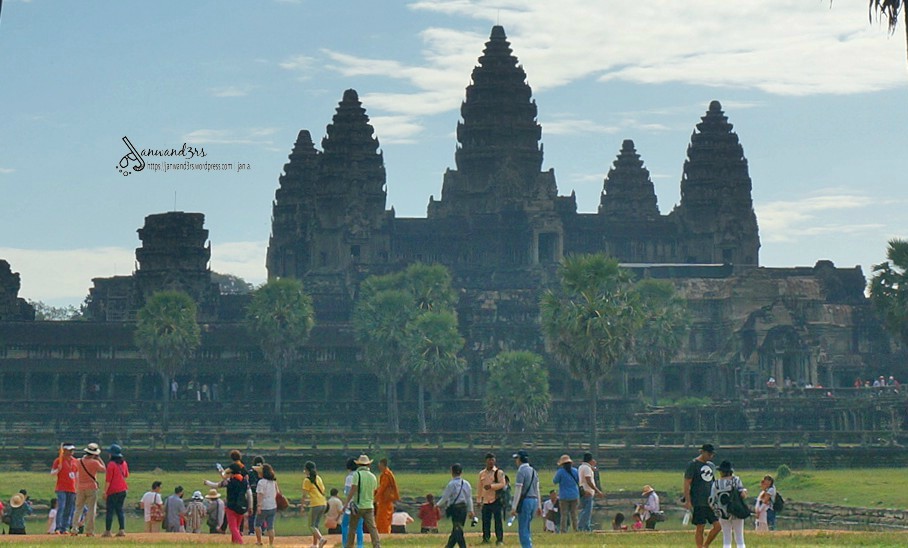
While traveling allows you to discover new places, it also makes you realize that your pre-conceived notion of things can change, which is what happened when I finally saw the indescribable beauty of the famous Angkor Wat in Siem Reap. Someone hit the nail on the head, alright: Angkor Wat is a “wonder beyond words.”
There’s Beauty in Ruins
I’ve mentioned several times before that I prefer natural attractions than man-made ones. When I travel, I don’t really seek out historical architecture and instead choose to be closer to nature – beaches, mountains, etc. But Siem Reap’s Angkor Wat changed all that.


The UNESCO World Heritage Site and Lonely Planet’s “world’s number 1 sight” will undoubtedly change anyone’s mind about historical attractions. It’s a strong testament that there’s indeed beauty in ruins, as the temple complex in Siem Reap leaves you in awe of its monumental structures which seem to transport you to a different world.


What the Fuss Is All About
For most travelers like me who prefer the beauty of nature over architecture, it’s easy to dismiss Siem Reap’s temples as overrated, boring structures from centuries ago. But when you step inside Angkor Wat and explore the other temples such as Angkor Thom, Bayon and more, you’ll understand what the fuss is all about and realize the huge misconception.
Angkor Wat


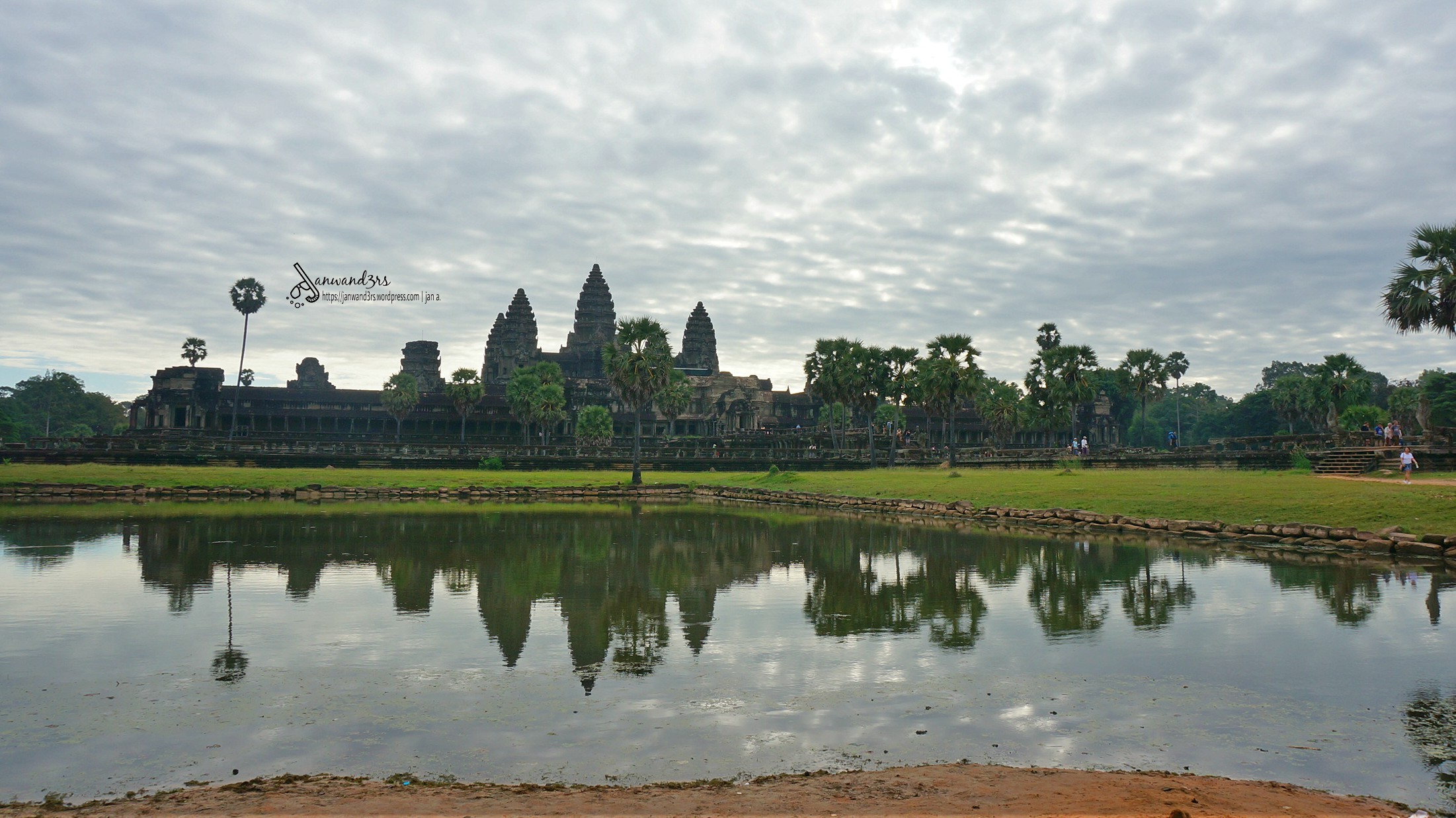
Angkor Wat welcomes tourists with a grand entrance: a long walkway with views of the surrounding moat in the first part and grass on the sides in the latter part. Straight ahead on that walkway lined with seemingly circular-shaped trees are the Angkor Wat towers, which majestically stand at dead center.


The temple’s cone-shaped towers create a beautiful silhouette against the sky during sunrise, making it a common yet coveted image of photographers and travelers alike.


The largest religious monument in the world measuring 162.6 hectares, Angkor Wat would take hours to explore. Though the sights inside are basically the same – huge centuries-old pillars and towers, most of which have stairs you can climb to reach higher levels – the size and scale of the structures are beyond remarkable.


According to Lonely Planet, Angkor Wat “is the earthly representation of Mt. Meru, the Mt. Olympus of the Hindu faith and the abode of ancient gods.” The Cambodian god-kings reportedly tried to “better their ancestors’ structures in size, scale and symmetry,” the result of which is a literally mouth-dropping peek into Khmer’s history and faith.


I swear, the three of us couldn’t help but gush over the sights, with Dee and I mostly gasping with oohs and aahs the entire time. 😀 Unfortunately, I don’t think any picture would give justice to Angkor Wat’s exceptional beauty, so I highly urge you to see it for yourself. 😉


Angkor Thom and Bayon Temple
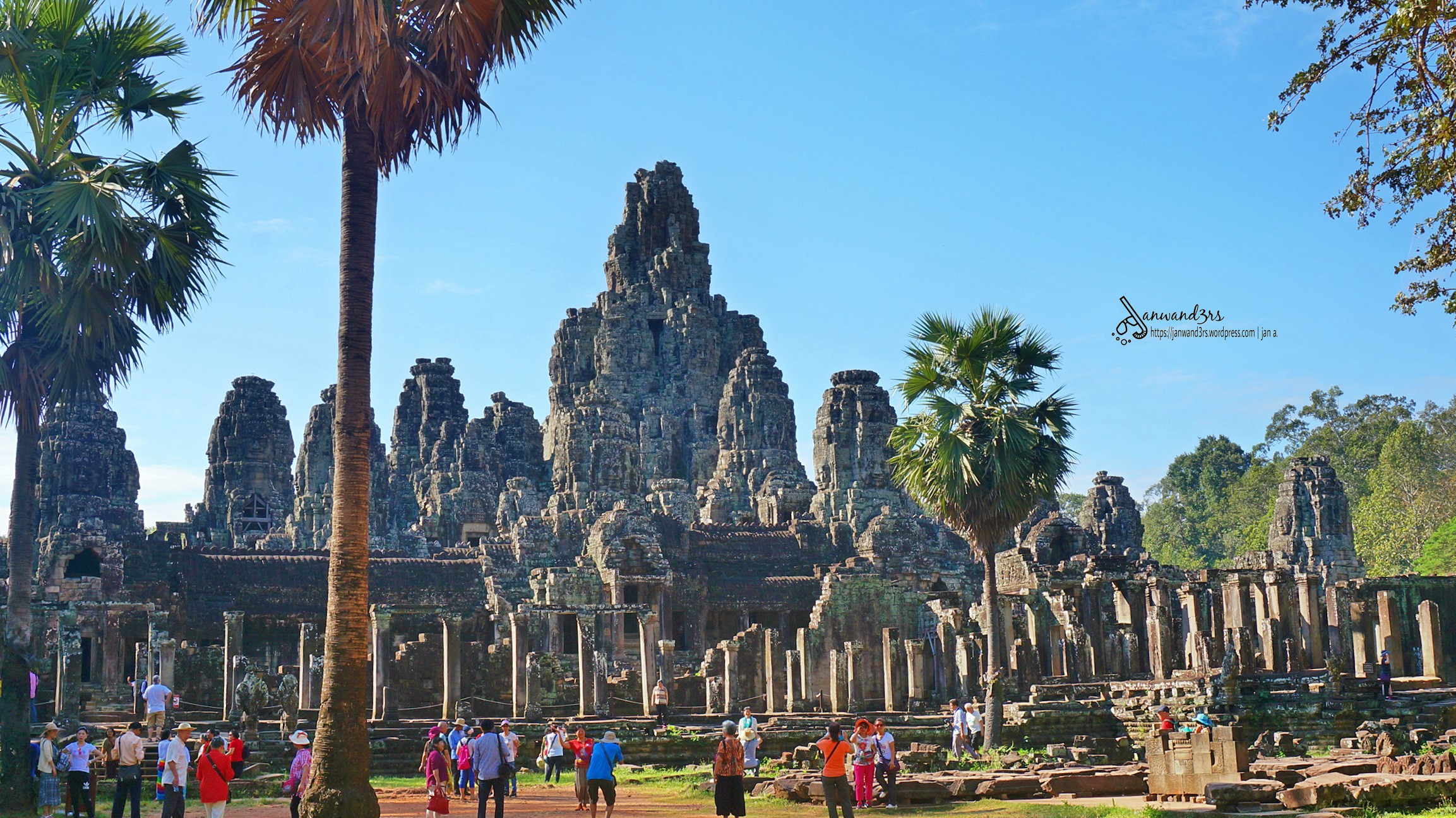
From afar, Angkor Thom seems to be a grand movie set that sprouted from nowhere. True to its name which means “Great City,” the site draws you to its gates and monumental (in the truest sense of the word) towers, each bearing the “magnanimous faces of the Bodhisattva Avalokiteshvara.”


Though the place is also huge, the space here is a lot narrower than in Angkor Wat. Here, with each turn, you’ll see a towering structure marked with a face of the Buddhist deities, which makes everything seem amazingly surreal.


Angkor Thom is where the famous Bayon Temple is located. There’s a section here too where you can climb steep stairs to enjoy more sights of the ruins.


Unlike Angkor Wat, exploring this place would probably take an hour or less. Since the site is smaller though, expect to literally rub shoulders with other tourists, most of which are the ever “active” Chinese. 😀 :p


Baphuon
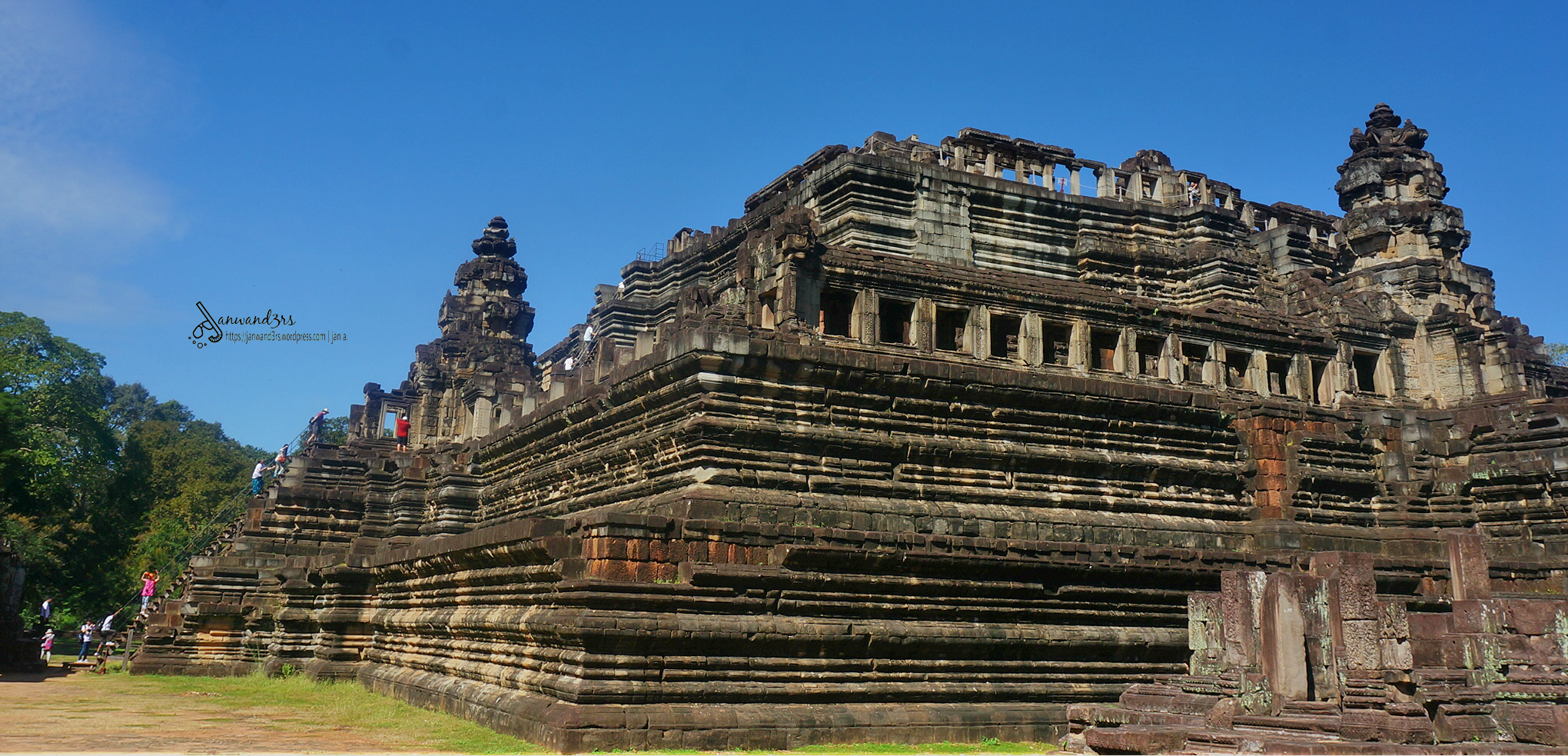
Still considered part of Angkor Thom though located separately from Bayon, Baphuon requires you to climb steep stairs as well to get to the second level of the site. The stairs here are probably the steepest among the other temples we visited.


Just like in Angkor Wat, there’s a long walkway here that leads to the main entrance of the temple. The gate is flanked by guards who won’t let you enter if you’re not wearing the proper attire, which is what unfortunately happened to Dee (who was wearing shorts). Here, the shoulders and knees should be appropriately covered.


Upon entering, you’d have to climb a few steps to get to the actual site. Following that is the steep stairs I mentioned above, which takes you to the second level. There you’ll see pillars with intricate details.


There’s also a huge structure in the middle. If you peek over the pillars, you’ll enjoy a beautiful vista of the temple complex along with the lush trees.
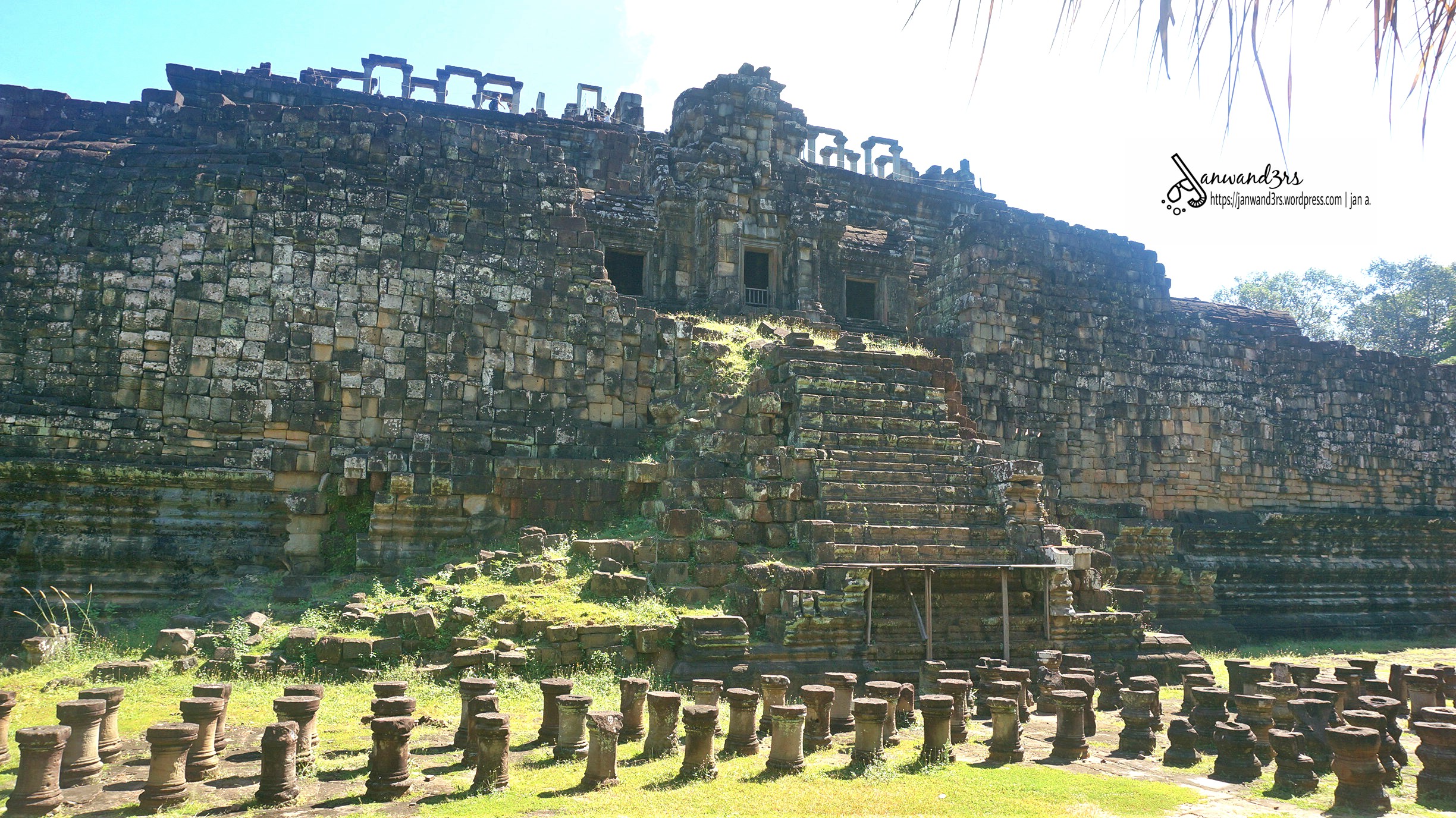
The sights here are fewer but still remarkable, though they don’t really compare with Angkor Thom and Angkor Wat. Baphuon is also exhausting to explore because you’re directly exposed under the sun; there’s hardly any place you can stay at for cover/shade.
Ta Som, Ta Prohm and Phrea Kan


If I remember correctly, these three are situated together, as in you can explore one after another in one go.


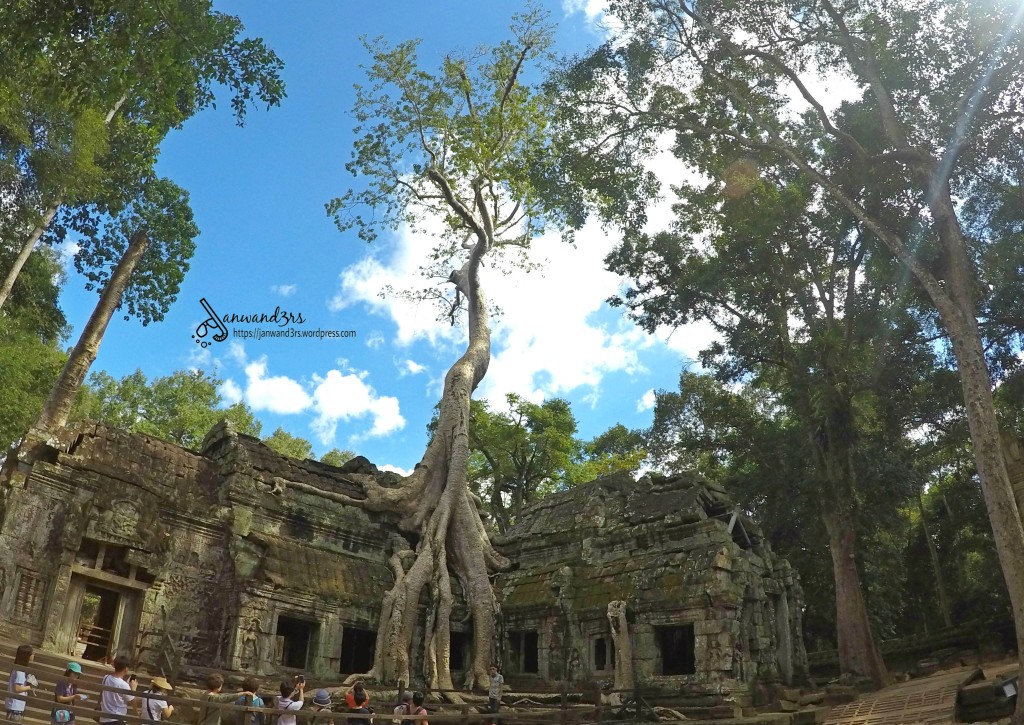
The most noteworthy site here is probably the huge tree in Phrea Kan, which seemed to have devoured one of the old buildings. Even if you don’t have a wild imagination, it’s not too difficult to see the tree as a huge insect or even reptile with tentacles that seem to have taken over the old structure.
It was odd and somewhat scary to see, yet interesting. I actually overheard one of the tourists referring to it as the “kraken.” 😀


Terrace of the Elephants
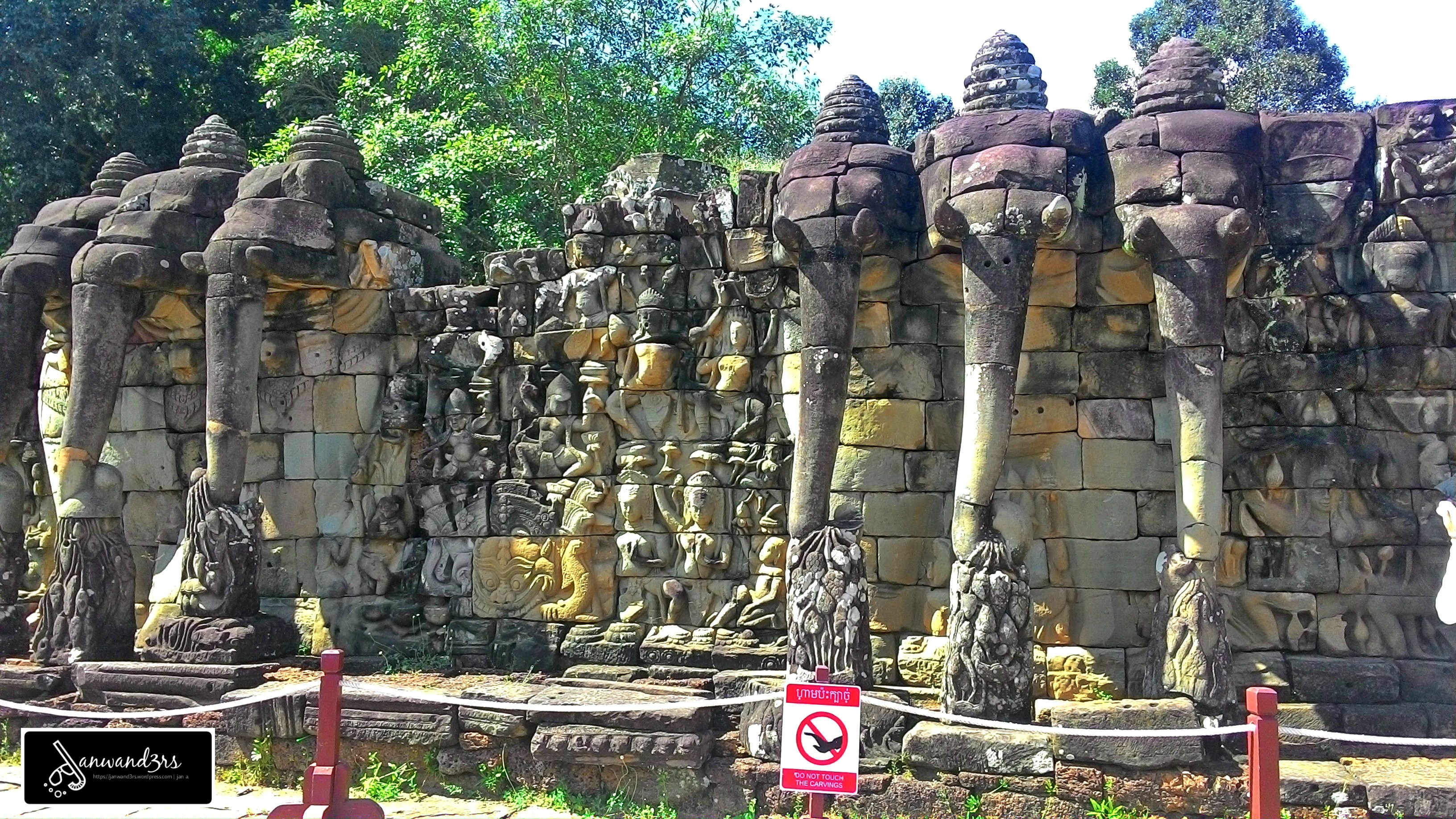
This is among the last noteworthy temples you’ll pass along on your Siem Reap trip. As the name suggests, the structure’s design features lots of elephants.
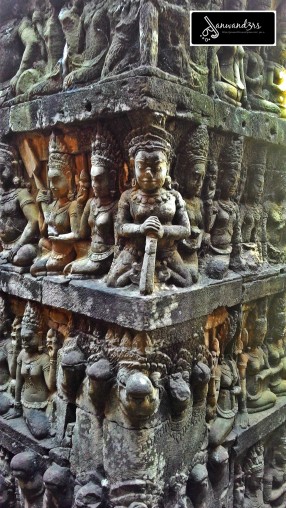
Inside is a maze-like path (though not complex), and the walls will catch your attention because of the rich details. Though they’re not all glitzy and glittering unlike those in Bangkok, they are still nothing short of amazing.
Note: There’s an eating place near this temple, located just a few steps away.
How to Get to Siem Reap from Bangkok via Bus
Since our Indochina trip included a lot of flights, we decided to save on airfare from Bangkok to Cambodia by taking the bus instead. The land travel usually takes around 8 hours, though ours took longer.
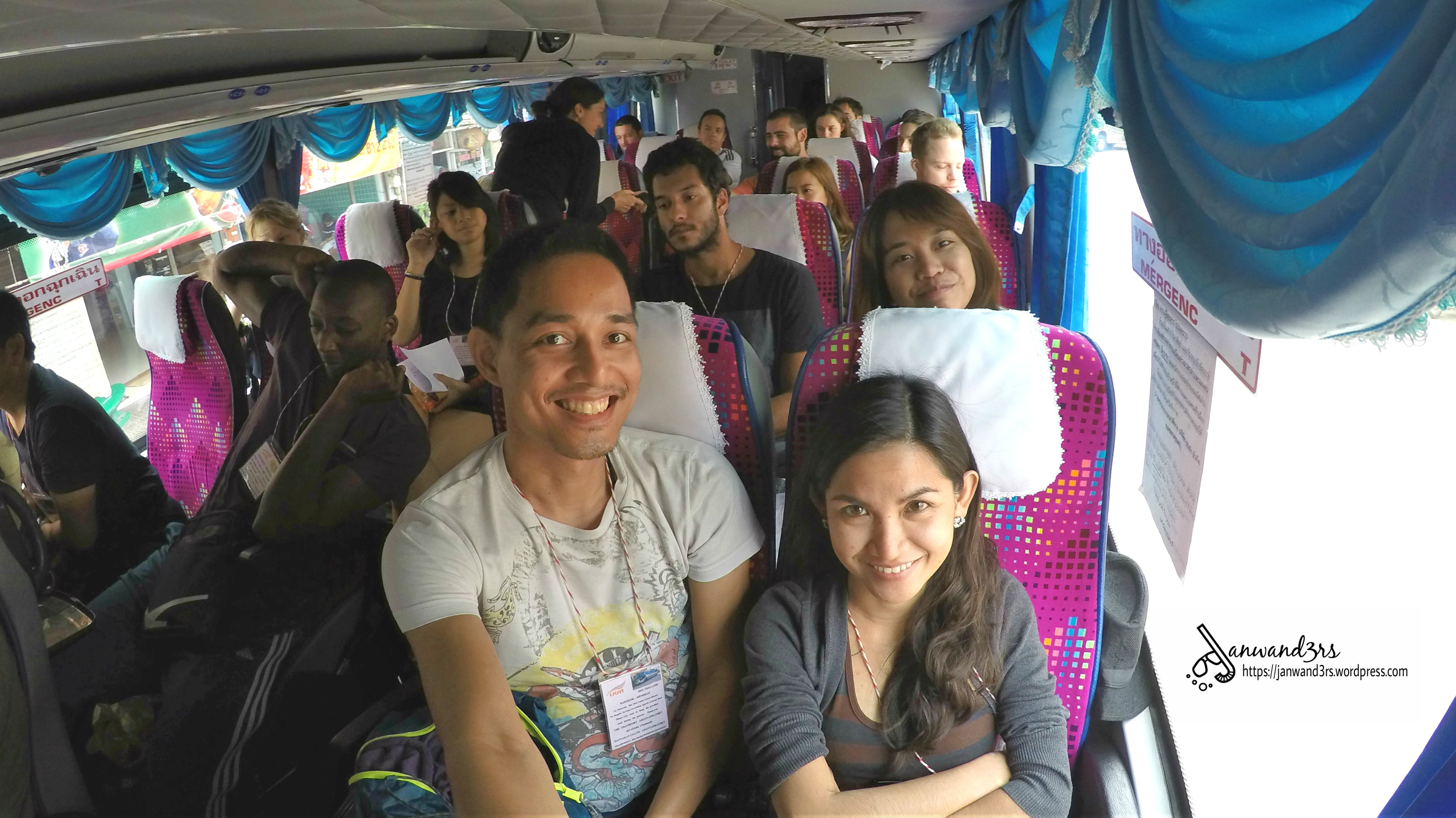
It’s best to buy bus tickets online days before your trip because the seats run out fast. Simply visit http://www.thaiticketmajor.com/bus/ttmbus/index.php. The site offers online reservations for bus tickets from Bangkok to Siem Reap and Phnom Penh in Cambodia and even Vientiane in Laos. You can pay for the tickets using credit cards or debit cards.
To get to Siem Reap from Bangkok, choose Mo Chit station as your origin and Siem Reap as your destination. The site only offers one-way tickets.
There are no night trips available from the site. Only two morning trips are available: 8am and 9am, so make sure to allot one whole day for bus travel alone in your itinerary. Tickets cost 750 baht or around Php1000.
Immigration Woes and Scams
There have been a lot of reported scams when you cross the Thailand border to Siem Reap when you travel by bus. The scam usually involves buses stopping at a certain place for the supposed processing of immigration and visa, and they’ll charge you a huge amount for it.
In our experience though, the bus conductor collected our passports and gave it to a travel agency when we reached the border. The agency will supposedly have your passports stamped in the immigration and charge you exorbitantly for it.
Such scams have victimized a lot of tourists, especially Westerners since they still need a visa to visit Cambodia, unlike us from Asian countries who are exempted from visa requirements.
To refrain from falling prey to such scams, don’t give your passports to anyone once you’ve reached the border. The bus conductor should only check your passport, bus ticket and visa (if your country is not part of ASEAN) once, usually during the first few hours of the trip.
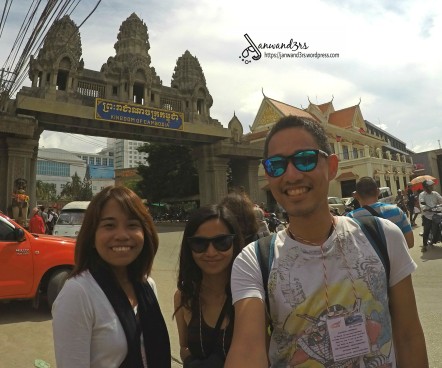
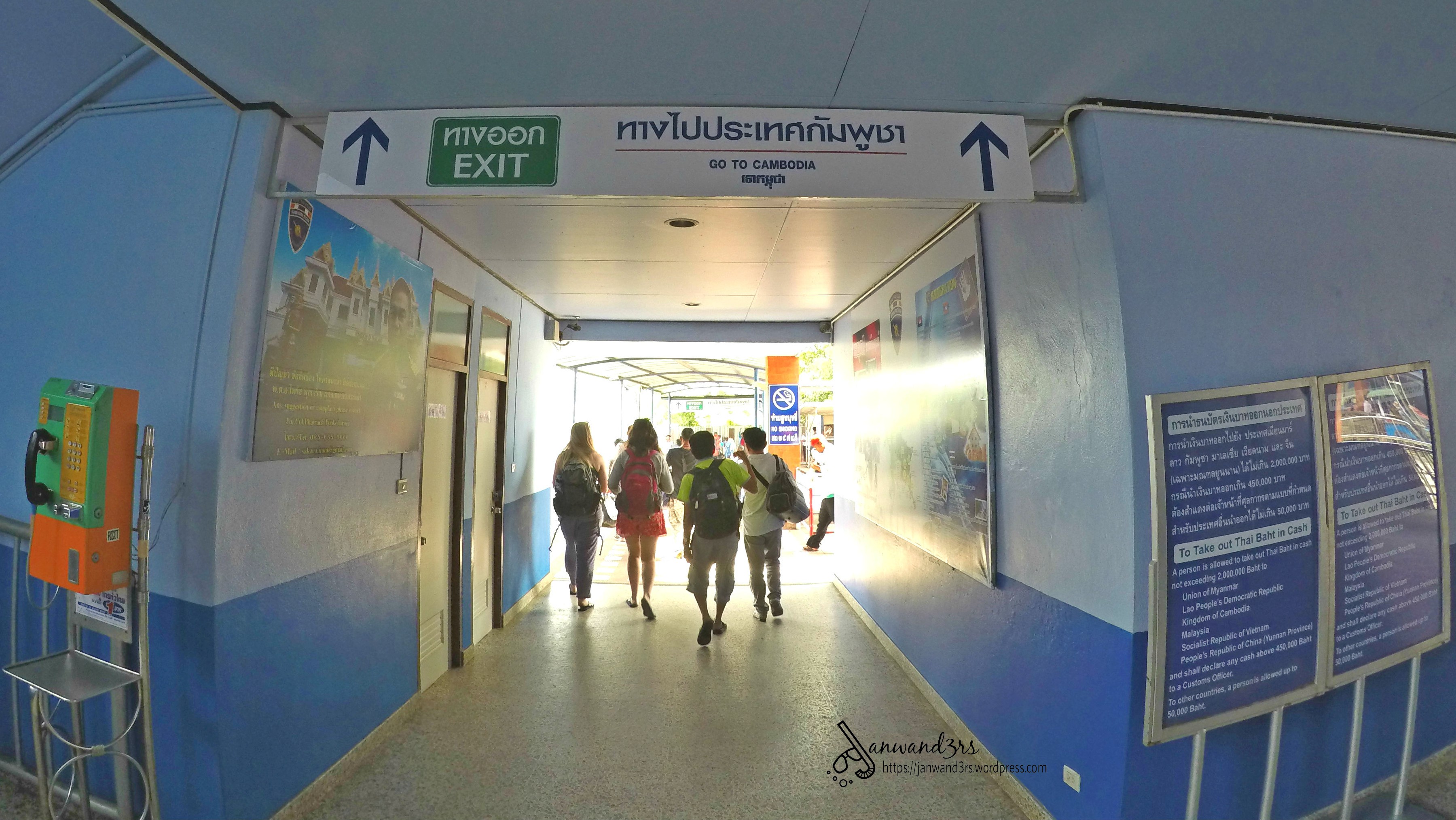
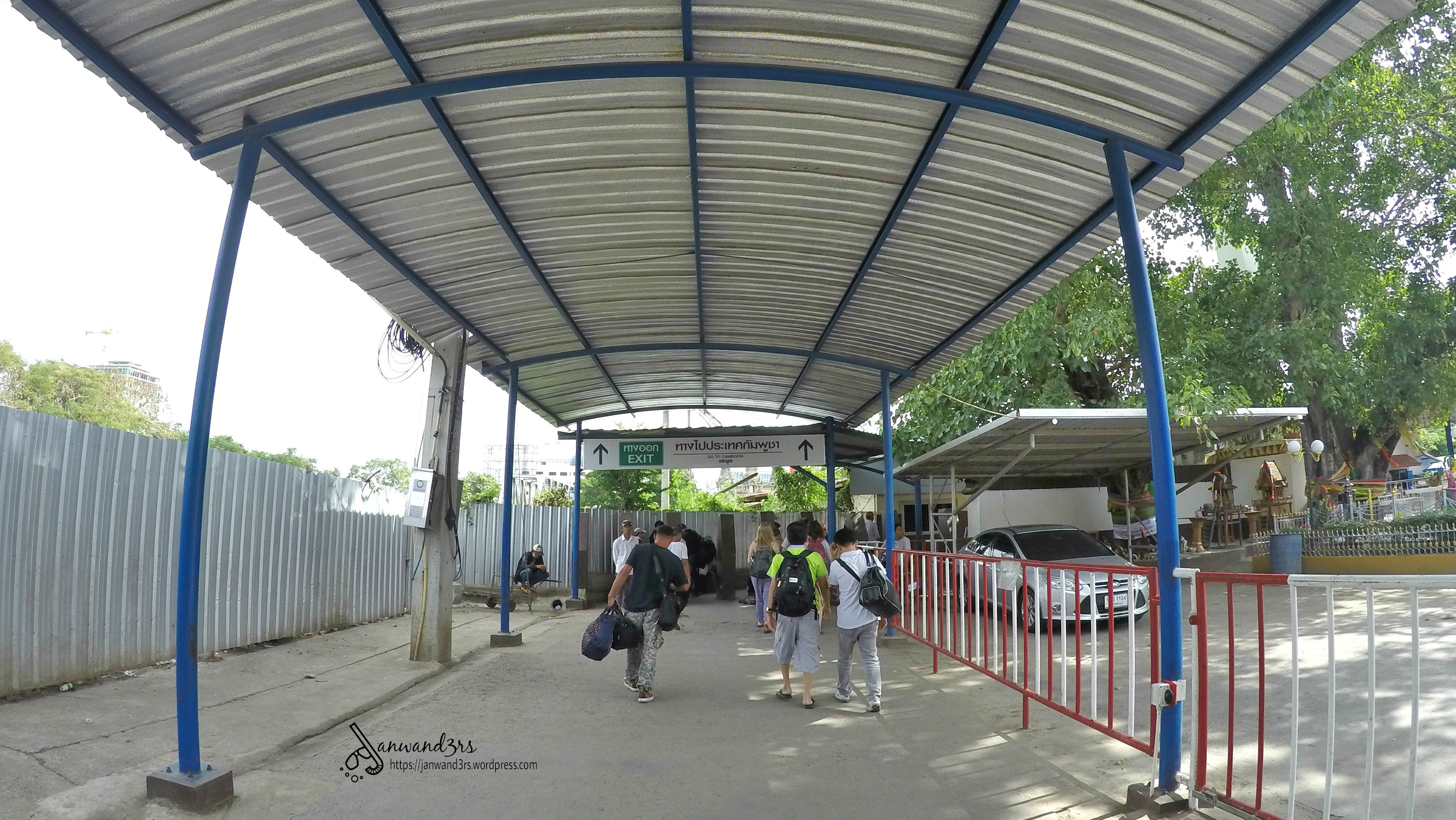
The bus will stop once you’ve reached the border and you’ll be notified by the conductor. Simply get off the bus, take your passport and go to the immigration center yourself. Line up there to have your passports stamped for your official DEPARTURE from Bangkok. The process is just like in airports, so it should be FREE.
Once your passport is marked with a departure stamp from Bangkok, walk over to the small immigration center of Cambodia. (Take note that the two immigration centers are far apart. Just follow the throng of tourists with their passports as well.) Fill out an arrival card there and line up to have your passport stamped for your ARRIVAL in Cambodia.
Getting Around Siem Reap
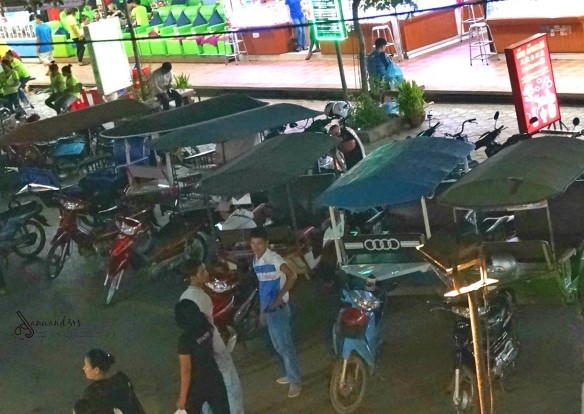
The best way to get around Siem Reap is via tuktuk. Their tuktuk looks similar to Bangkok’s, though still a bit different. To visit the temples, you can commission a tuktuk to take you to all your desired sites. In our case, the tuktuk driver which took us to our hotel on our first day in Siem Reap was also the one who took us to the temples and even to the airport when it was time for us to leave for the Philippines.
Temple Day Pass
You can choose to visit the Siem Reap temples in one day, three days and even more. Angkor Wat is best visited early in the morning so you can catch the sunrise.
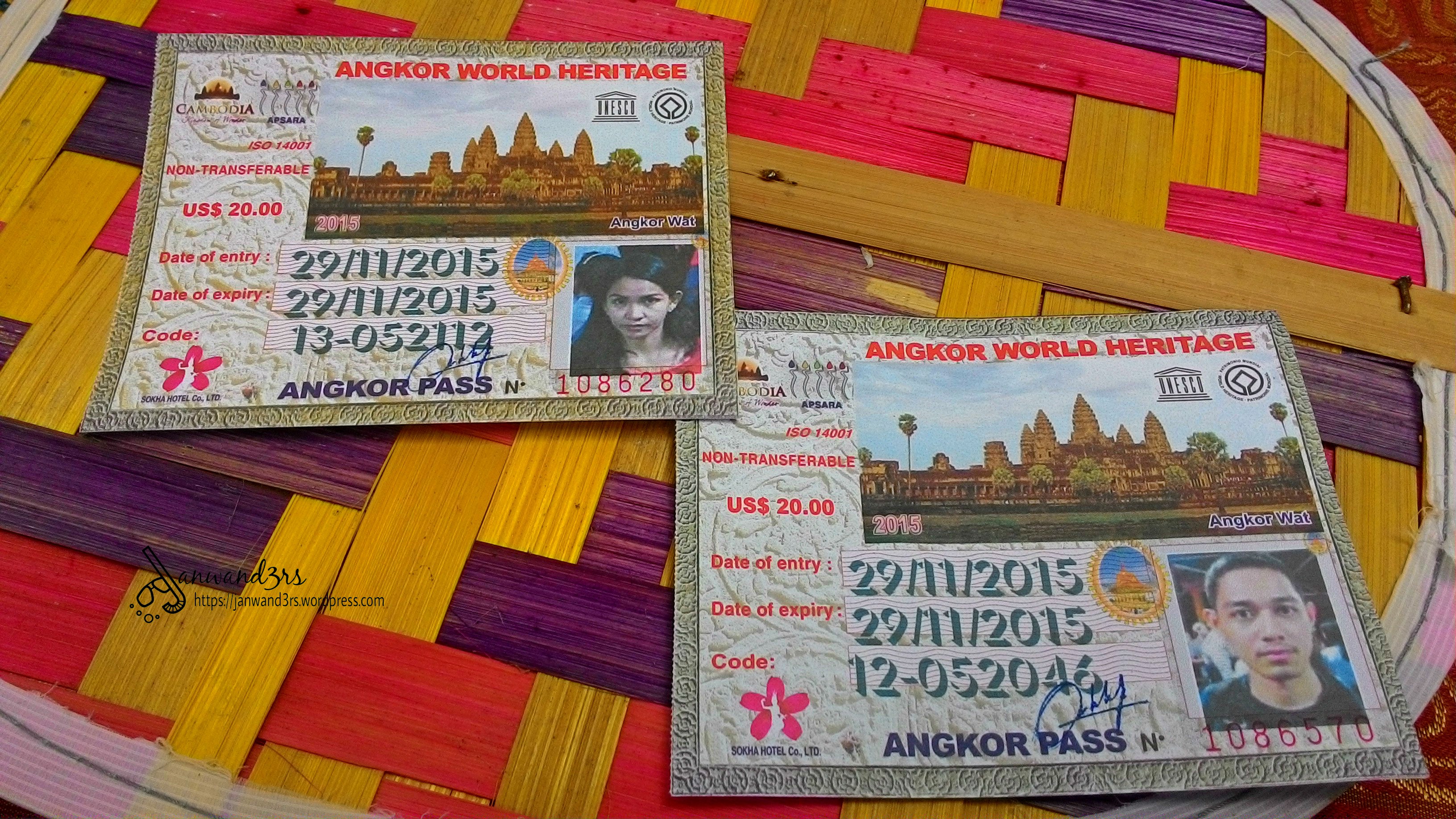
Our tuktuk driver picked us up in the wee hours of the morning on our second day and took us to the site where you’re supposed to get a day pass for the temples. Even if it was still dark, a lot of tourists were in line already. The one-day pass costs US$20.
By the time we got to Angkor Wat, a lot of people have already secured their spots in front of the moat, which is among the popular sites to wait for the sunrise.
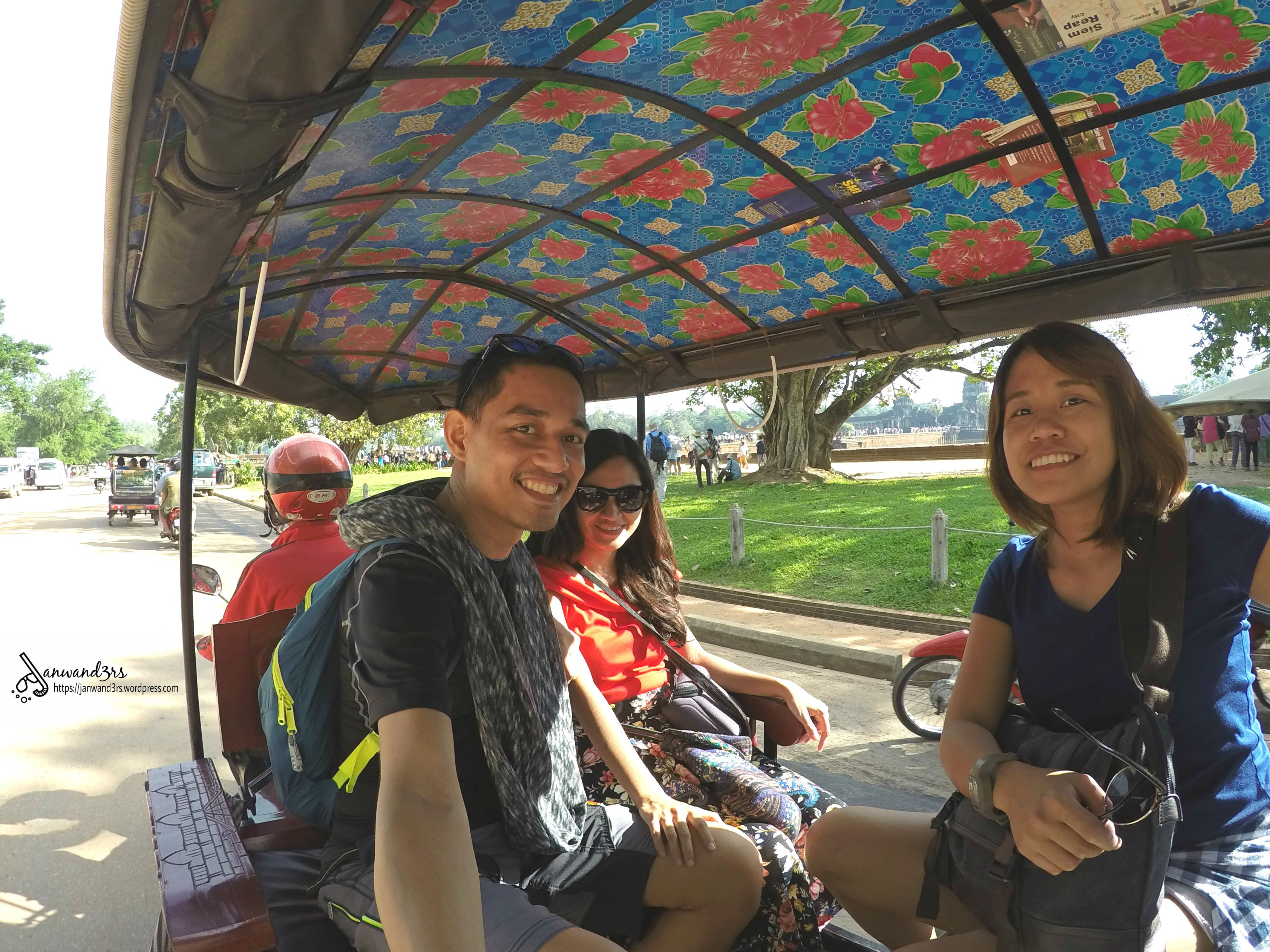
Since Angkor Wat, Angkor Thom and the others are far apart from each other, you’d still need a tuktuk to take you around the complex after you visit each temple. Our tuktuk driver offered to take us to the important sites for US$20 each. Our temple exploration ended at around 4pm.
Note: The currency in Cambodia is called riel, but most of the country’s products and services are priced in US dollars. They also mostly use/accept US dollars, so you don’t need to change them to riel.
**Travel Date: November 2015
Next post: Camiguin Island

 Wanderworld
Leave a comment