Nothing makes you learn more about your own country and its citizens than when you step outside of it and visit another. As ironic as that may sound, it’s true, because you learn more about a nation and its people when you get to compare it with others.
That is what I learned when I visited Singapore during my birthday last year. SG, one of the richest countries in Asia, is a stark difference to the Philippines with its clean surroundings, very organized transportation system, and disciplined people. It was during such trip that I discovered how something as simple as staying on the right side of the escalator or stairs — so those who are in a hurry to get to their destination can use the left side — is an alien (ok, uncommon) concept to Filipinos.
On the other hand, traveling to other countries also makes you realize the surprisingly many similarities you share with your neighbors. And that’s what I discovered during the first leg of our Indochina trip – Hanoi city tour.
Touring Hanoi Without Spending a Buck
Hanoi, Vietnam was mainly included in our Indochina trip because my former officemate and I wanted to visit Halong Bay. But since we had free time, we opted to spend a whole day touring the city, and we hardly spent anything for it.
Walking tours around the city offered by locals are actually popular, and the best part about it is they’re free. Apparently, Vietnamese students take travelers on such tours for free in exchange for English lessons. 😀
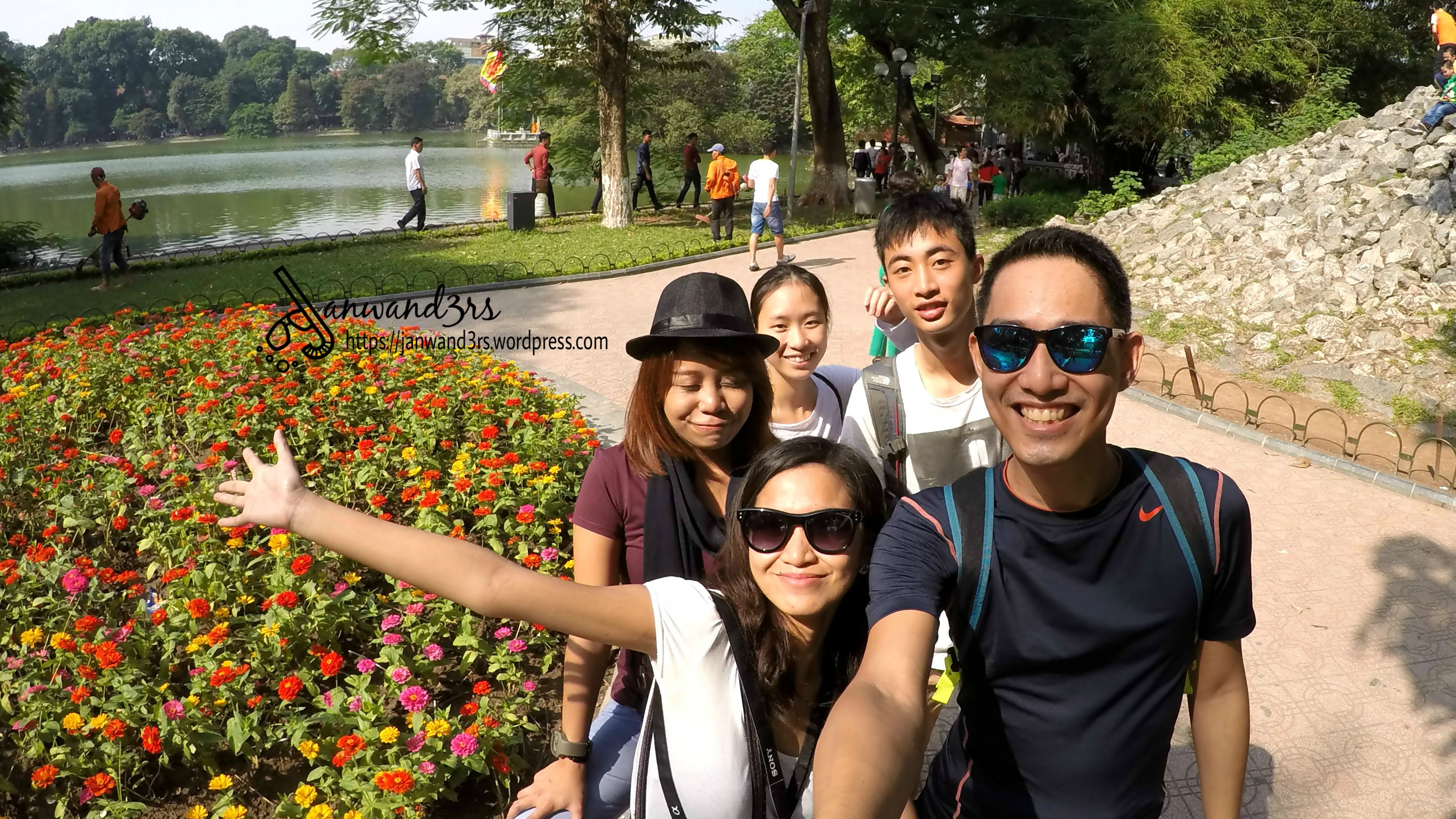
The students usually do them during weekends when they don’t have school just so they can practice their English speaking skills with the tourists, which I think is a very nice initiative, one that the Philippines can probably try to adapt.
To avail the free walking tour, simply go this site: http://www.hanoifreewalkingtours.com/. Choose a specific tour and book it. It’s important that you already have a place to stay when you book a tour because your tour guides will pick you up there.
You’ll receive a generic email afterward confirming your tour request. Another email will be sent to you by the organizer asking you for the time you wish to start the tour as well as your hotel address. You’ll be instructed to wait for your guides at the hotel lobby on your specified schedule.
Note: You should sign up for the tour at least three days before. Also, I read that there are a lot of similar sites offering the same “free” services which turn out to be a scam since they still ask you to pay afterward. I suggest that you stick with Hanoi Free Walking Tours then because their service is great. 🙂
Hanoi City Tourist Attractions
We did a whole day city tour, which started at around 9am and ended at around 5pm. As indicated in the email, our student tour guides picked us up at our Hanoi hotel, and we kicked off our tour from there.
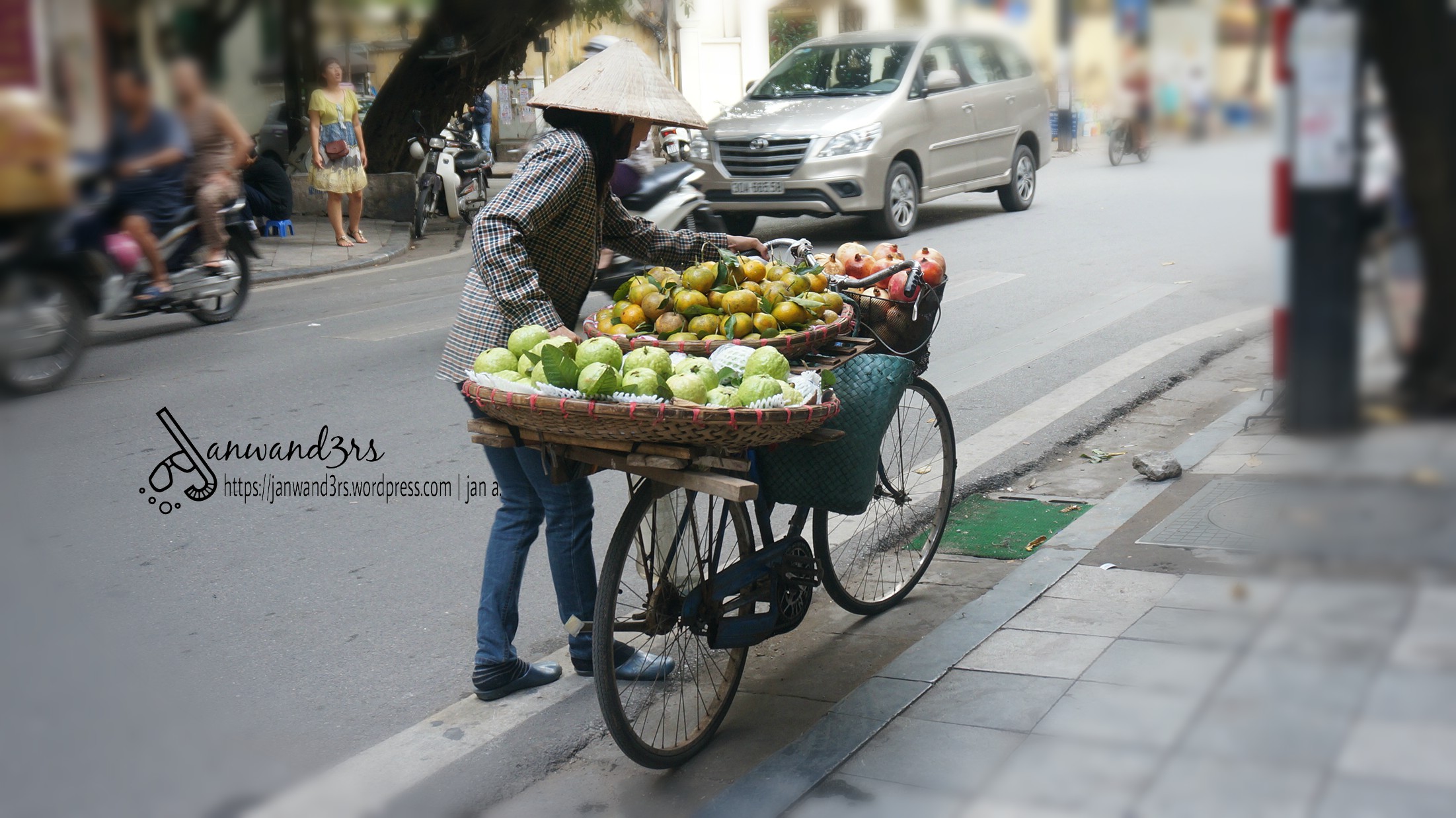
Our friendly guides, Dung and Lien, asked us if there’s anything specific we’d like to see in the city, but we mostly left the decision to them. The young students were very accommodating and fun to be with, and they’re actually good English speakers too; I don’t think they need the practice much. 😀
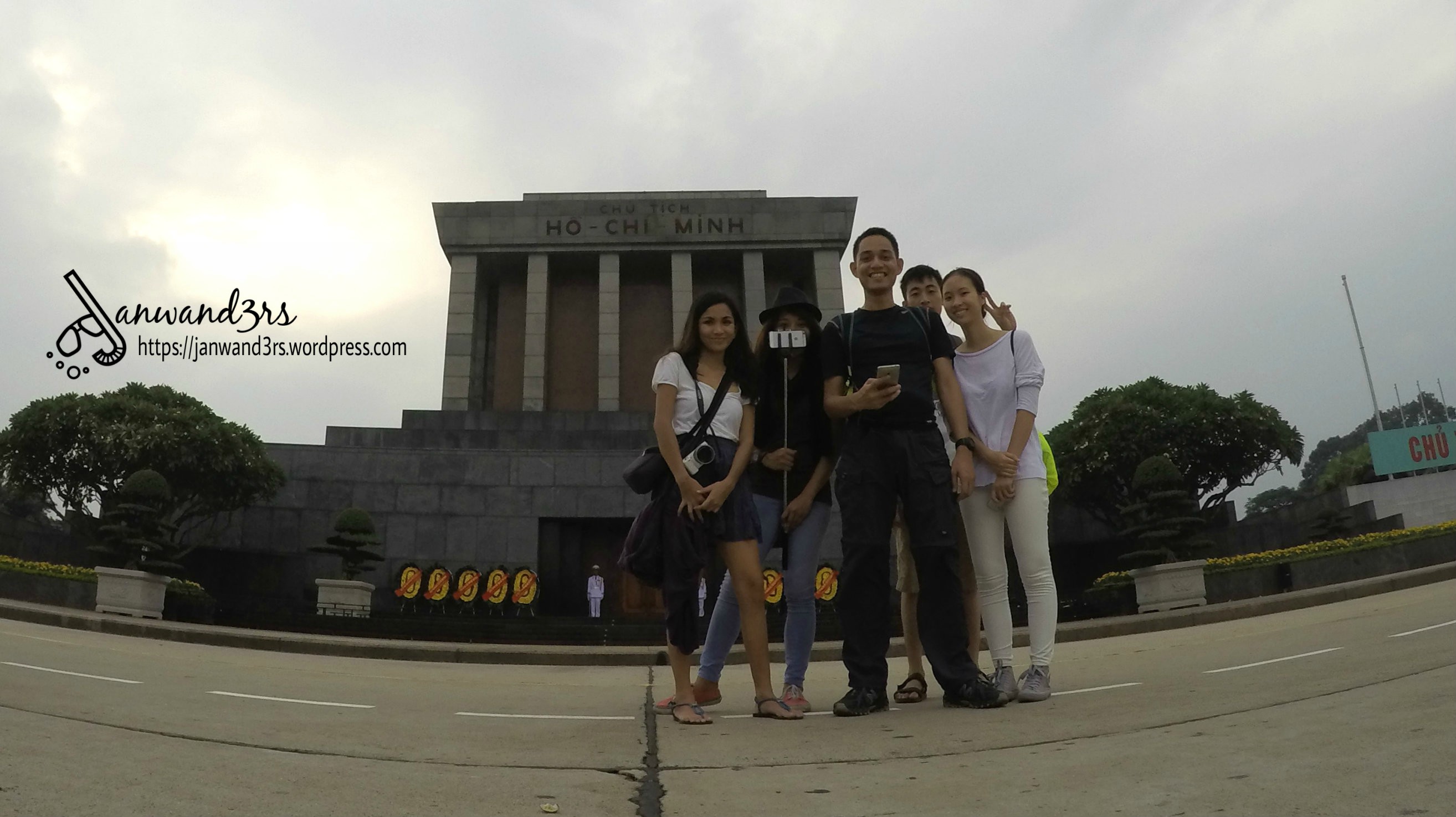
Take note though that it’s literally a walking tour, so you need to have a lot of energy. We basically walked around the city as we visited the famous Hanoi tourist spots, so we were able to save a lot on transportation.
While we just walked to the rest of the sites, we took a cab going to Ho Chi Minh Museum and Hoa Lo Prison Museum because the two places were too far. The only other expenses are entrance fees to some sites and lunch. 🙂
Here are the highlights of our free Hanoi city walking tour:
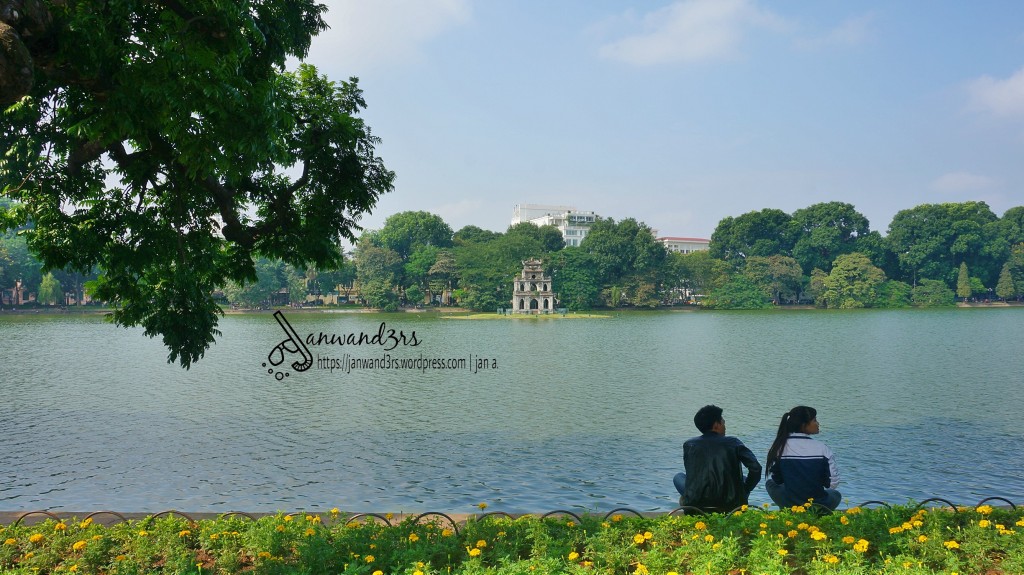
Hoan Kiem Lake
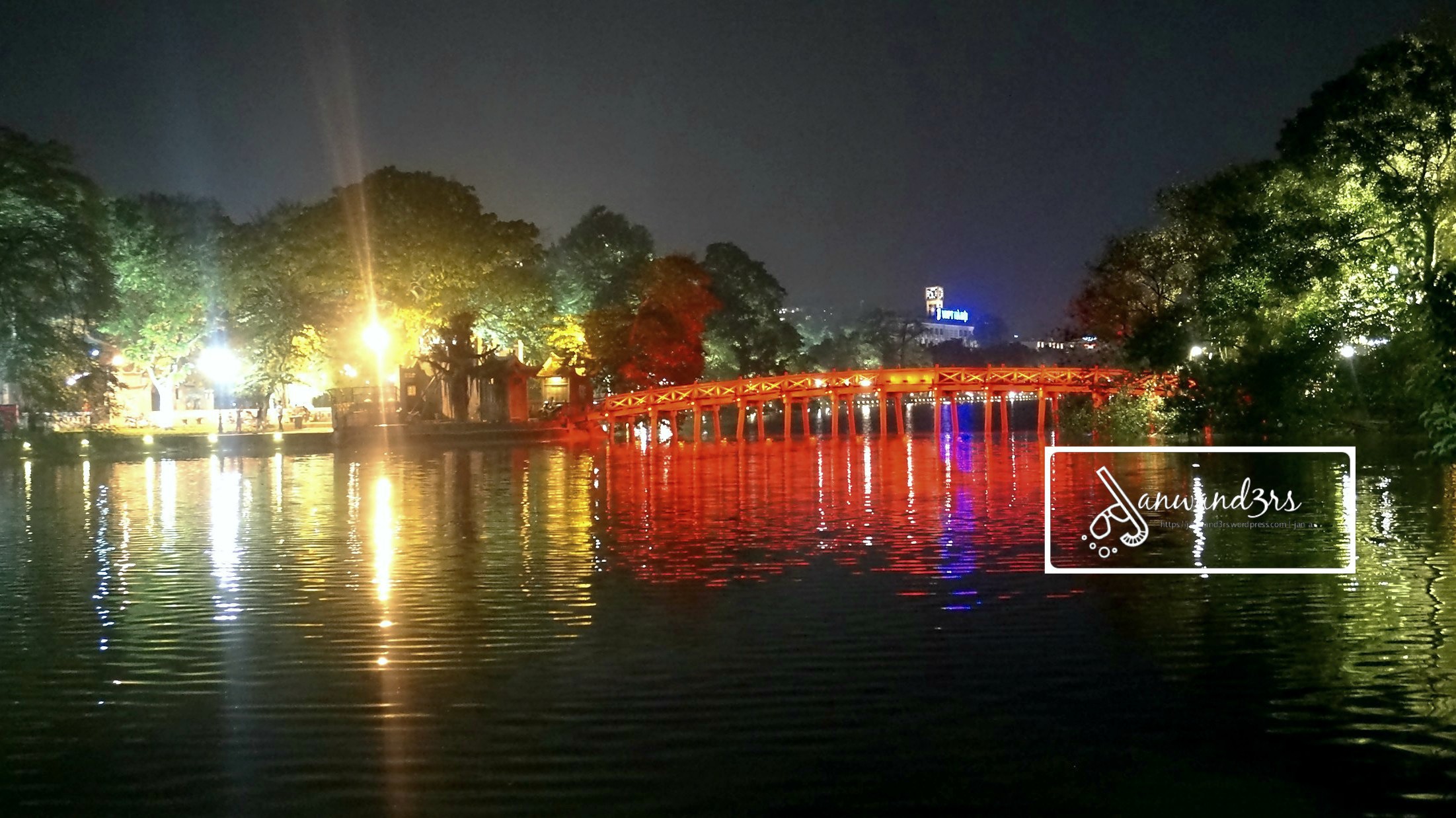
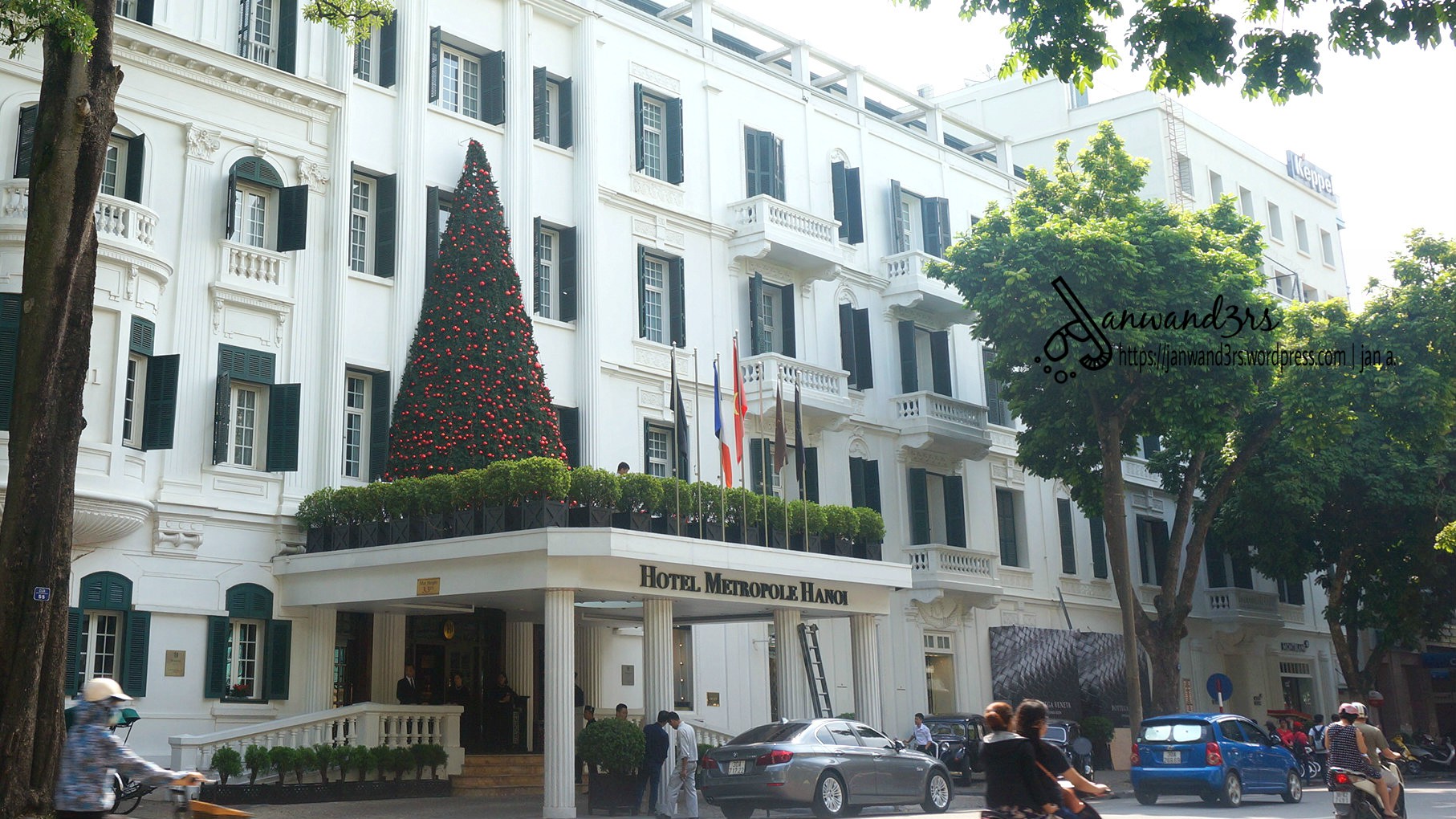
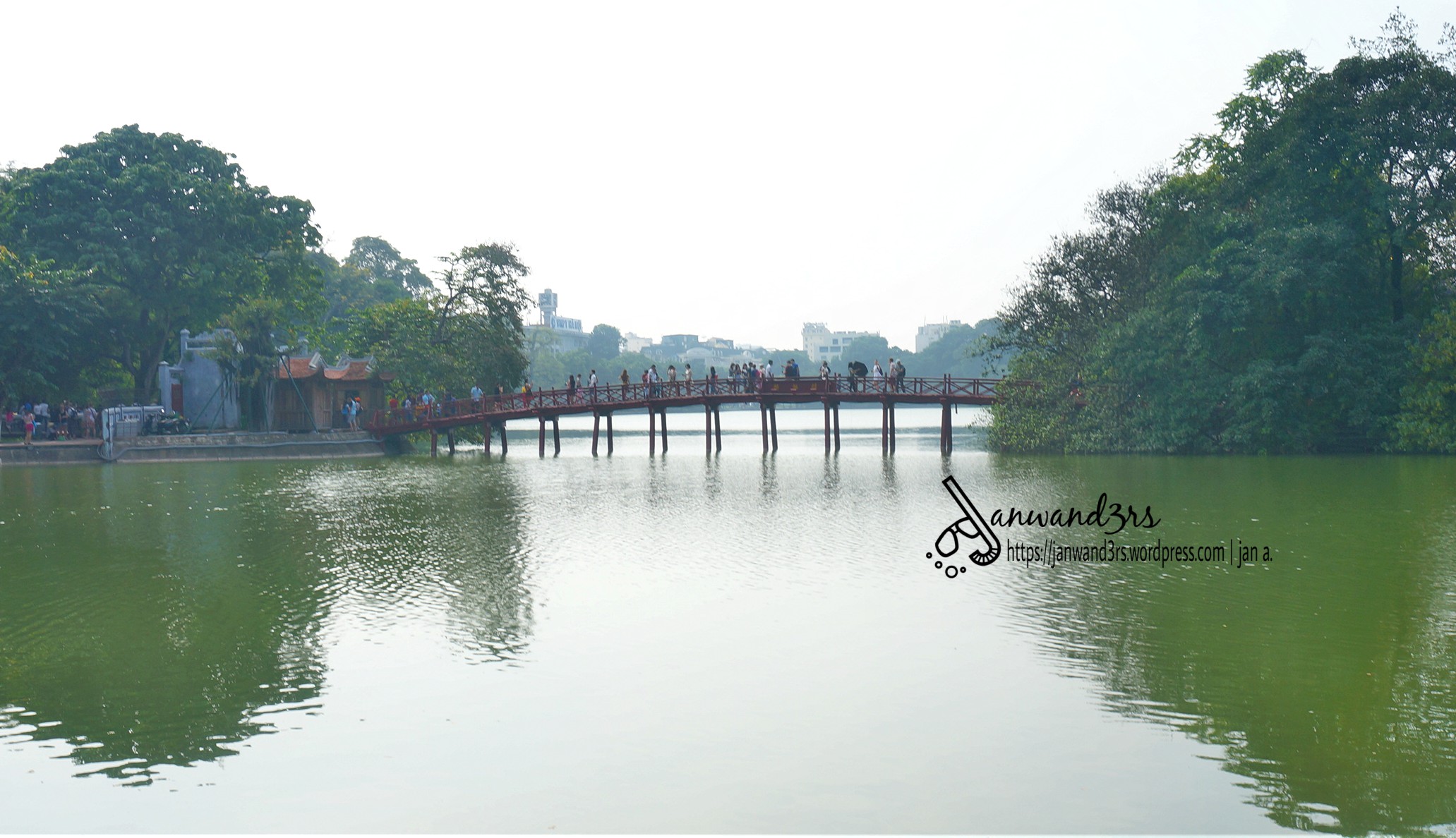
A main tourist spot in Hanoi’s Old Quarter, Hoan Kiem Lake successfully catches tourists’ attention with its scarlet bridge beautifully perched above the emerald water. The scenery here evokes a beautiful classical Vietnam, and it’s believed that the lake is still home to giant turtles, like the one preserved in Ngoc Son Temple.
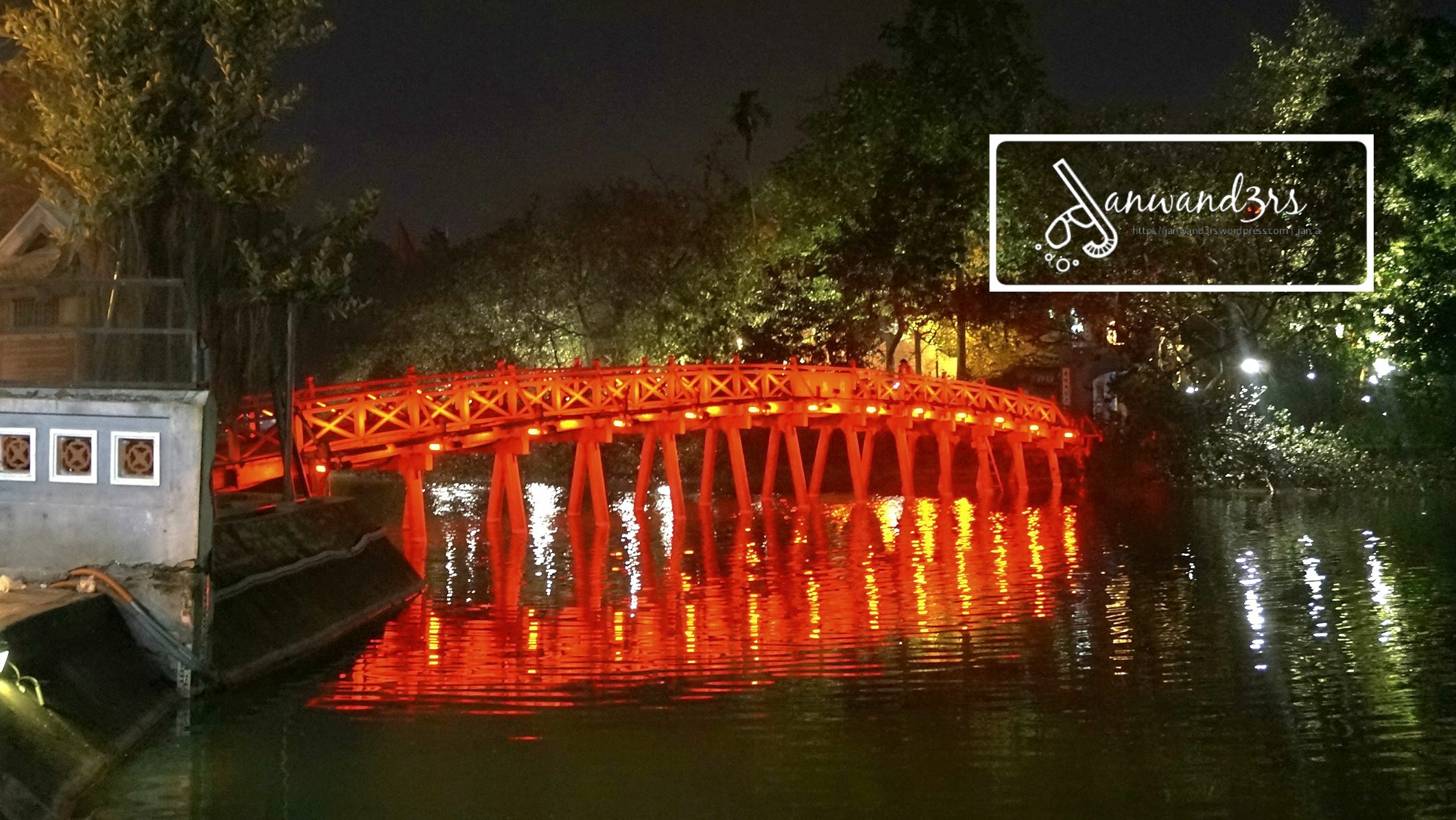
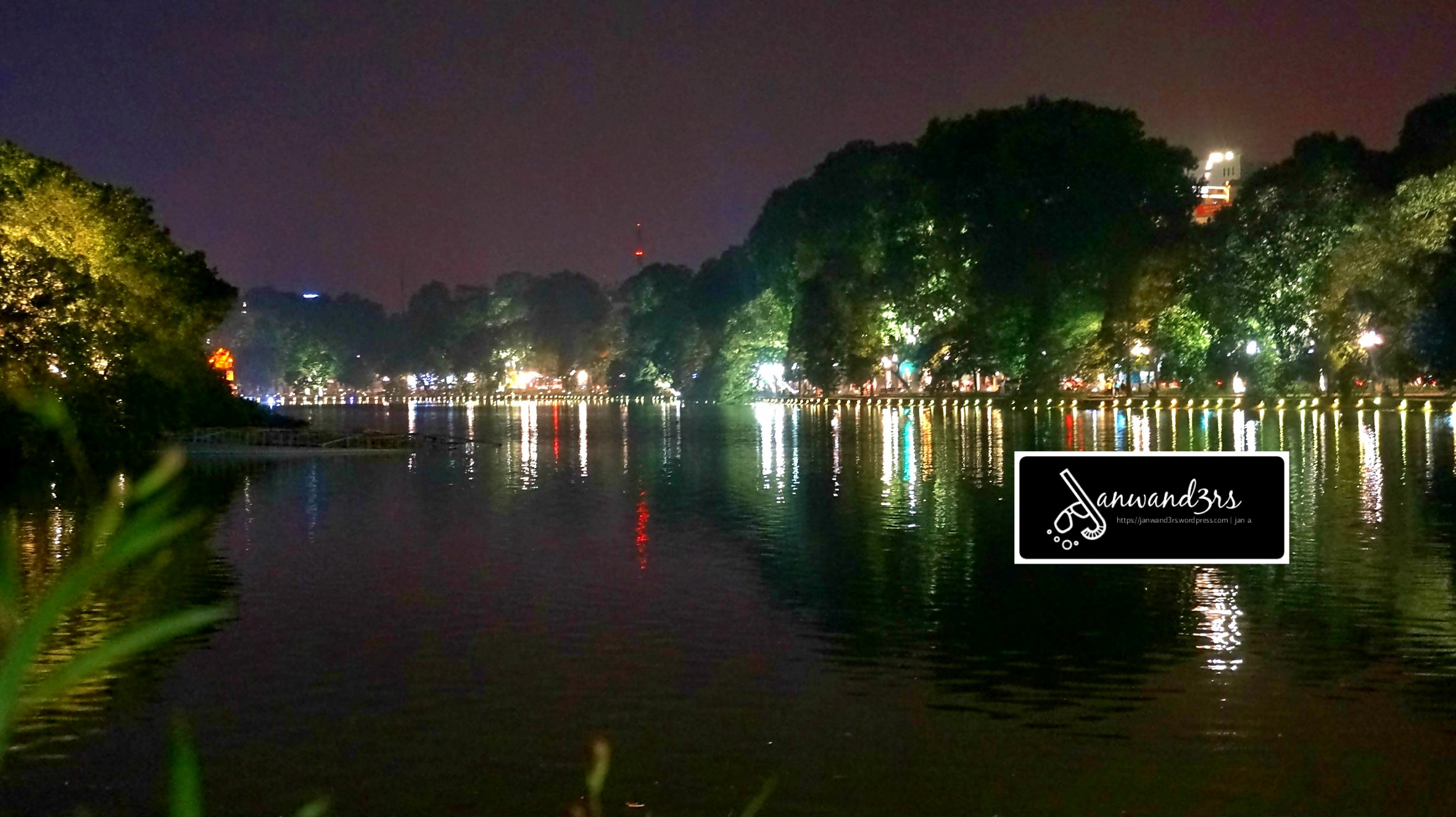
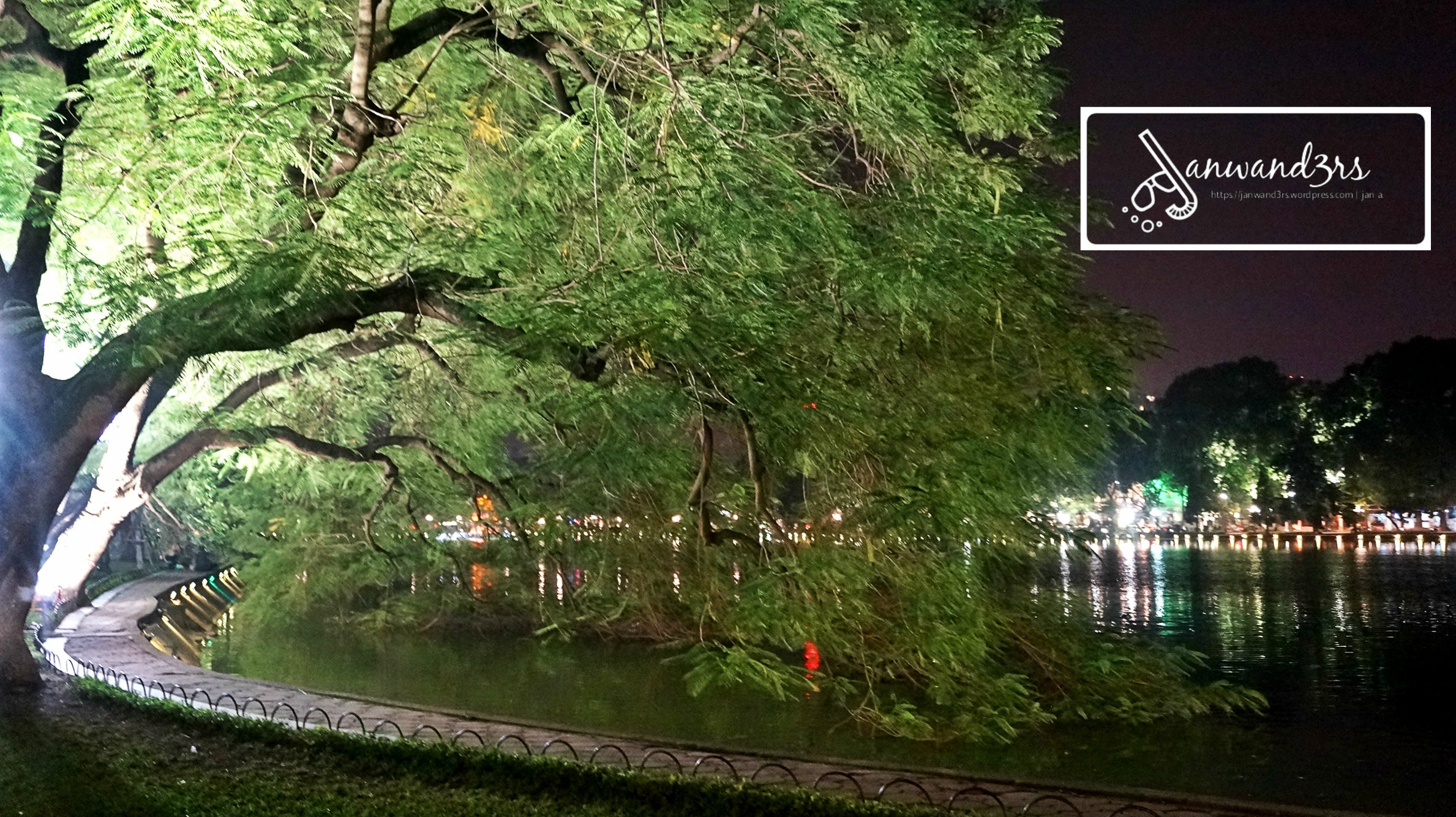
Visit the lake at night to see the red bridge beautifully glow, illuminating the water below. At night, the lake, bordered by lush trees and set against the city’s night lights, is also a mesmerizing sight.
Ngoc Son Temple (Temple of the Jade Mountain)
Entrance fee: 20,000 VND
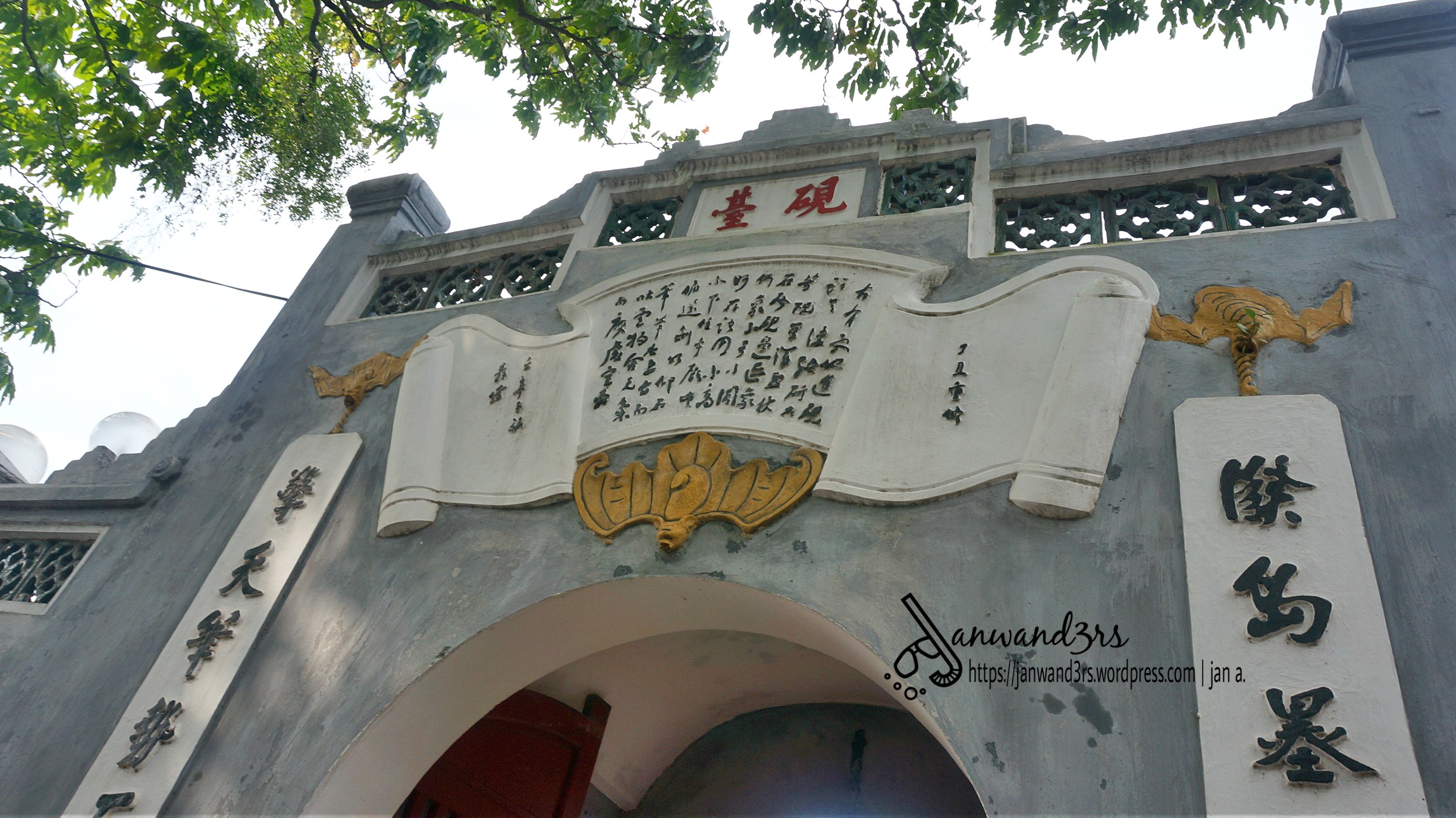
Located on Hoan Kiem Lake, this temple is usually brimming with tourists which make it difficult to take pictures without photobombers. 😀 Nevertheless, the temple gives you a glimpse at Vietnam’s history, religion and culture.
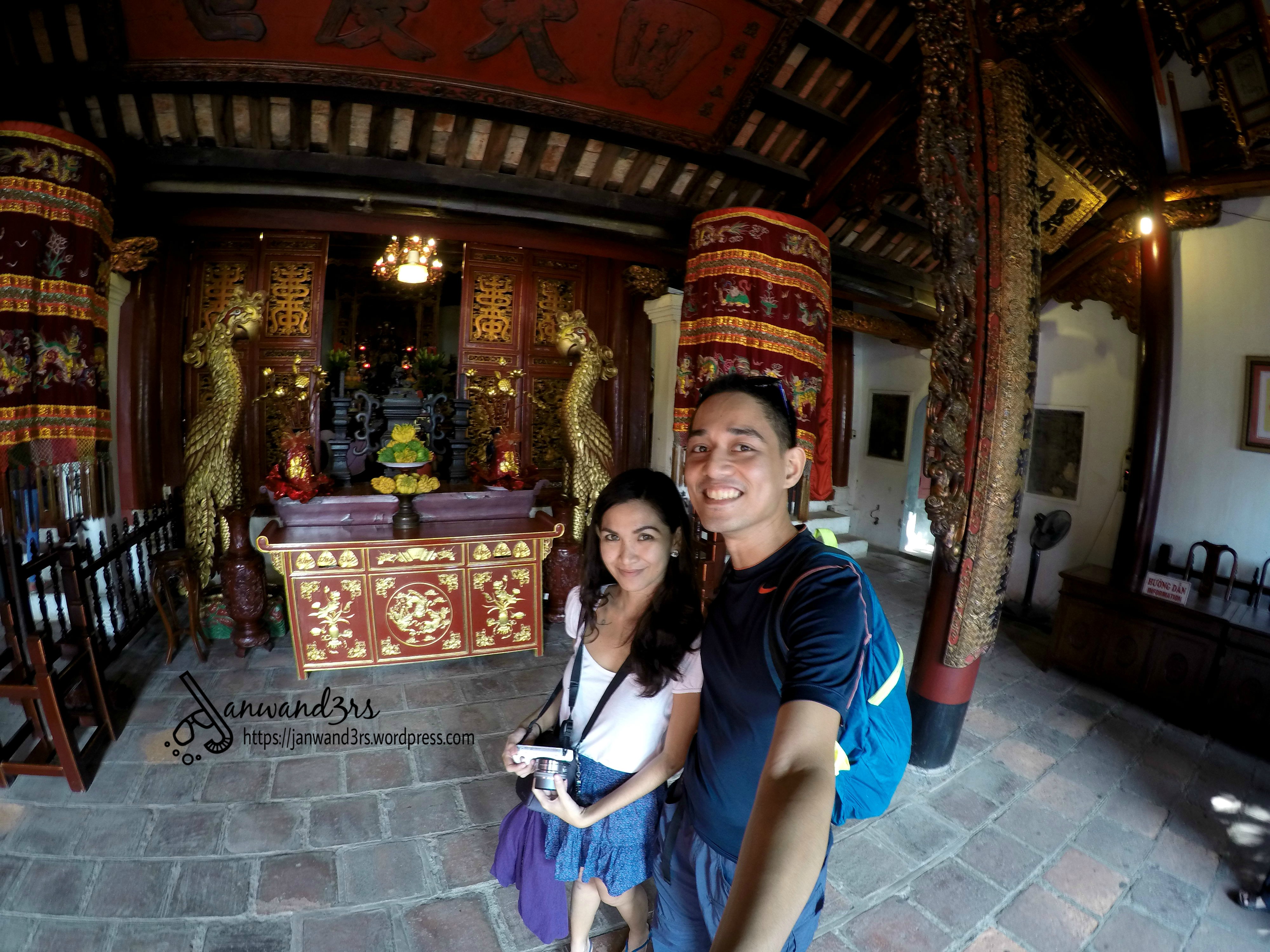
This is where you’ll find the preserved remains of a giant turtle, which, according to a legend, was found by King Le Loi, the founder of the Le Dynasty. Because of this, turtles are pretty much an important and lucky figure/symbol in Vietnam, and you’ll see them almost everywhere. You’ll also see locals praying inside the temple.


Turtle Tower
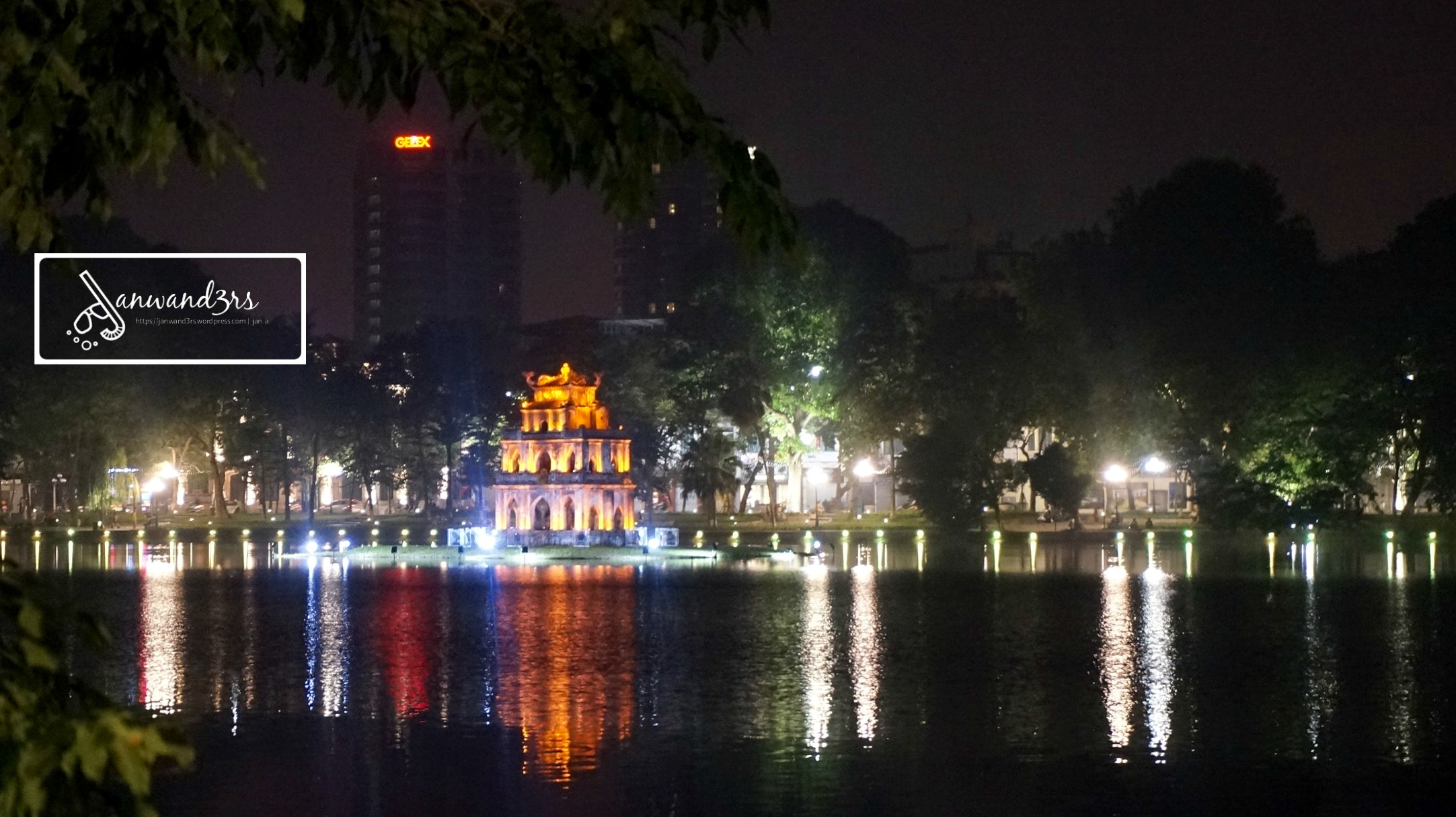
You won’t be able to actually visit this site since it’s situated on the lake itself, but it adds a nice historical touch to the whole Hoan Kiem lake scenery.


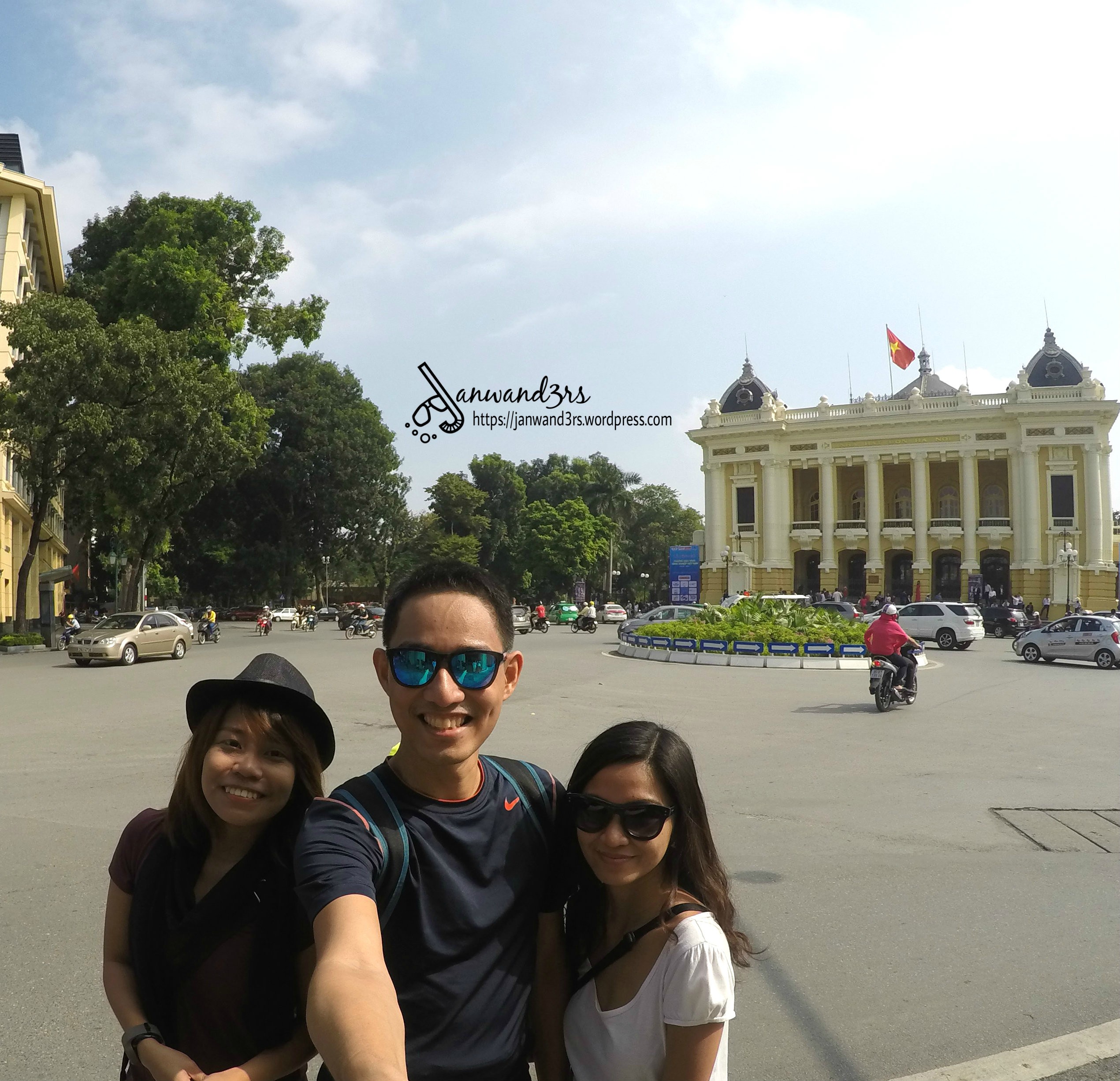
Hanoi Opera House
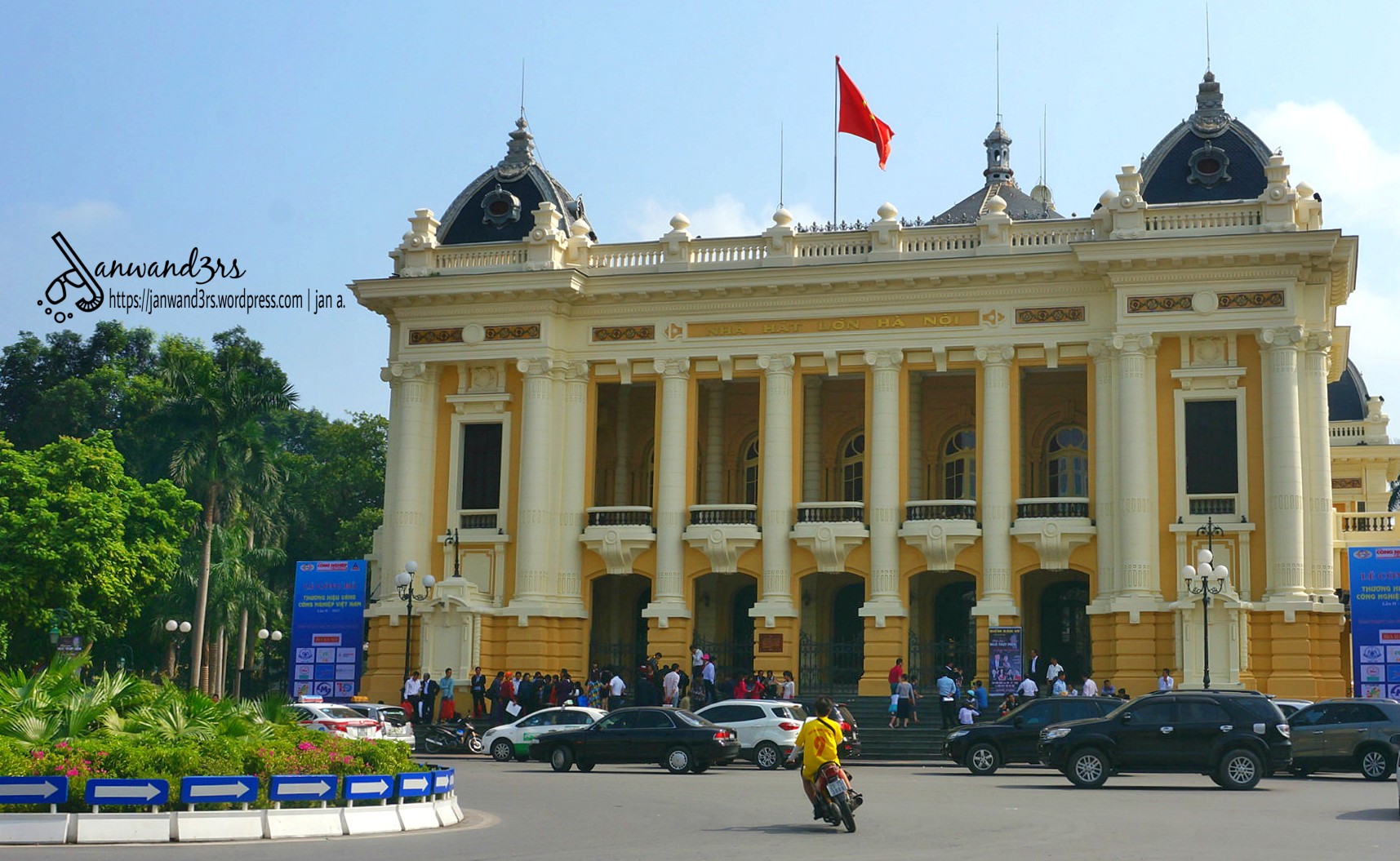
We only took pics from the outside because we’re not allowed to go inside unless we’re actually there to watch. The Opera House is a feast for the eyes too at night when it’s bathed in lights.
Temple of Literature
Entrance fee: 10,000 VND
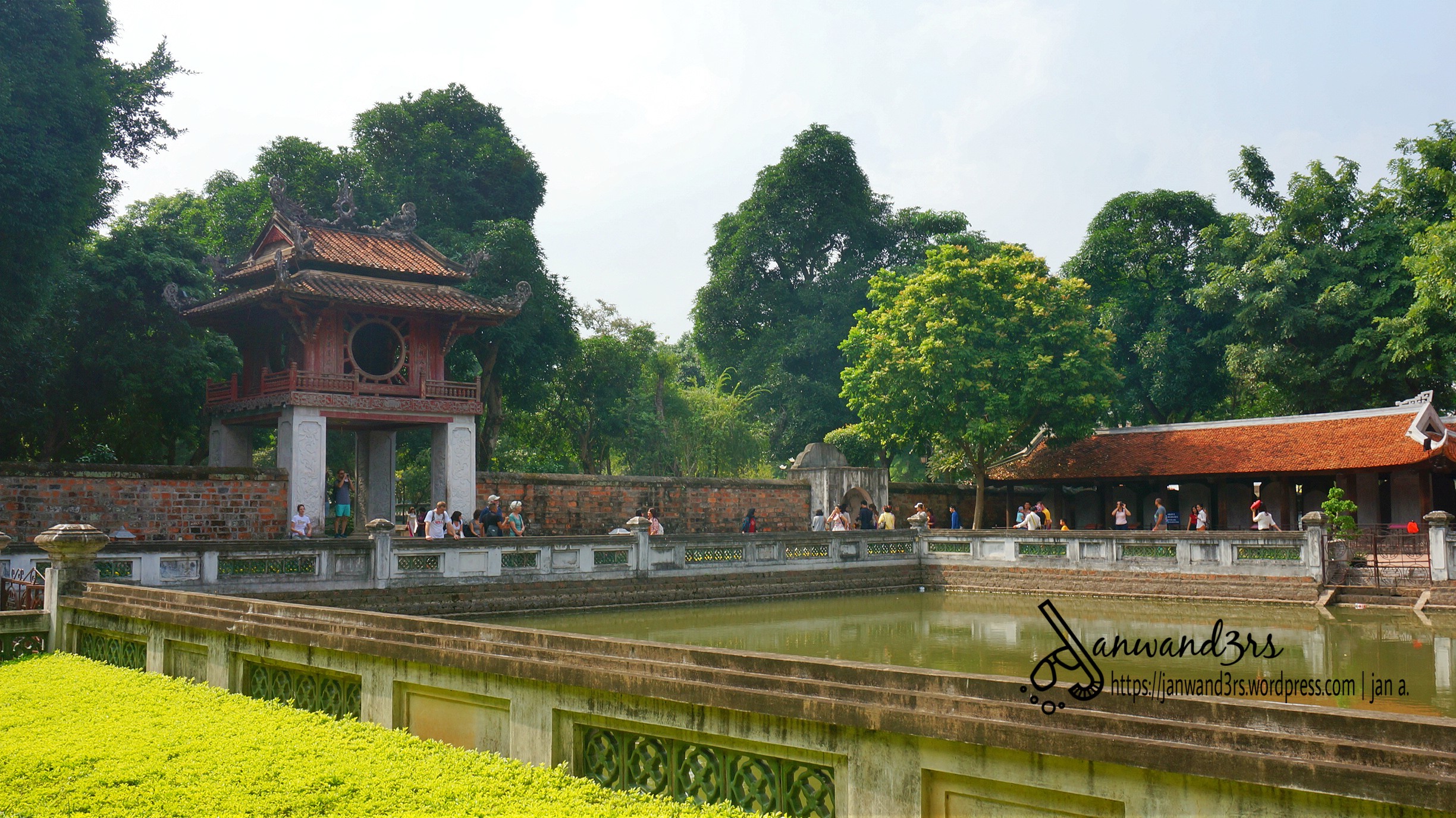
Another jam-packed Hanoi tourist attraction, Temple of Literature is where Vietnamese students usually have their graduation pictures taken. The site is home to various temples and Buddha, and there’s also a souvenir shop inside the large premises.


Ho Chi Minh Museum
Entrance fee: 10,000 VND for foreigners, free for locals
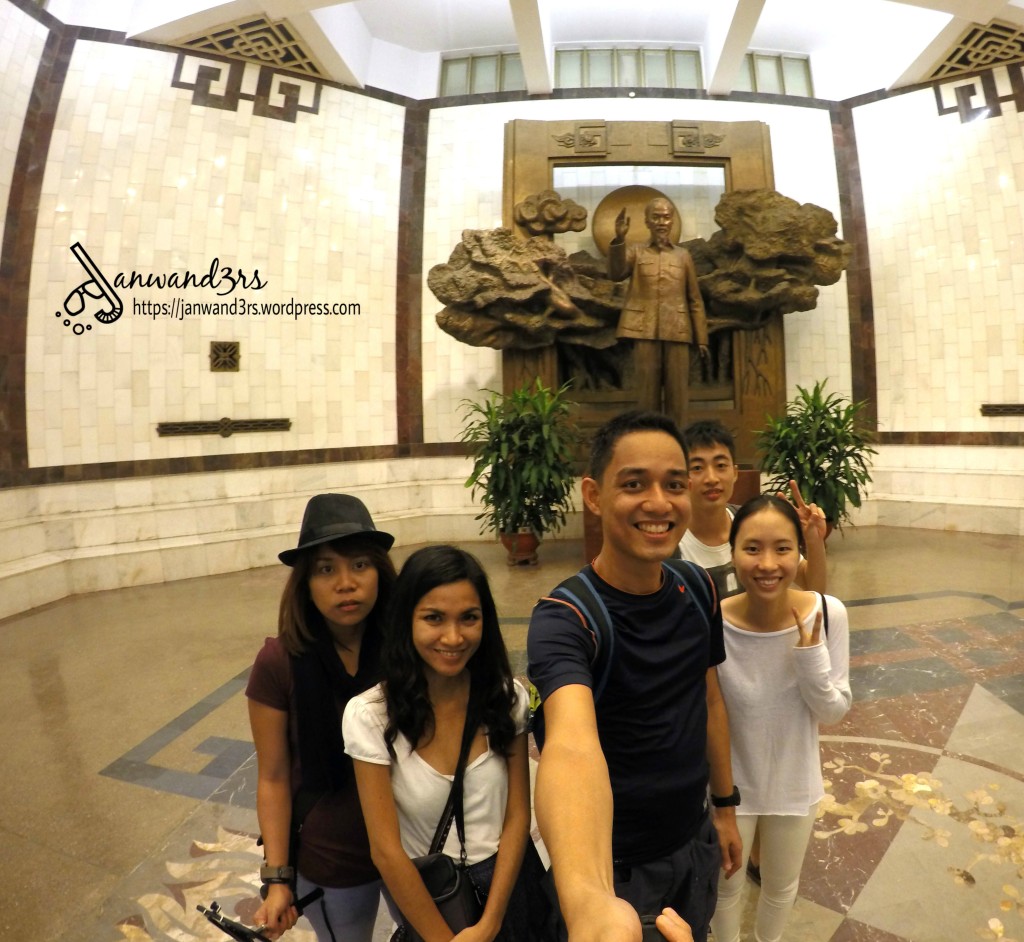
Located in the Ho Chi Minh Complex, the museum houses interesting artifacts that reflect Vietnam’s history and culture. The huge museum is divided into several floors.


One Pillar Pagoda
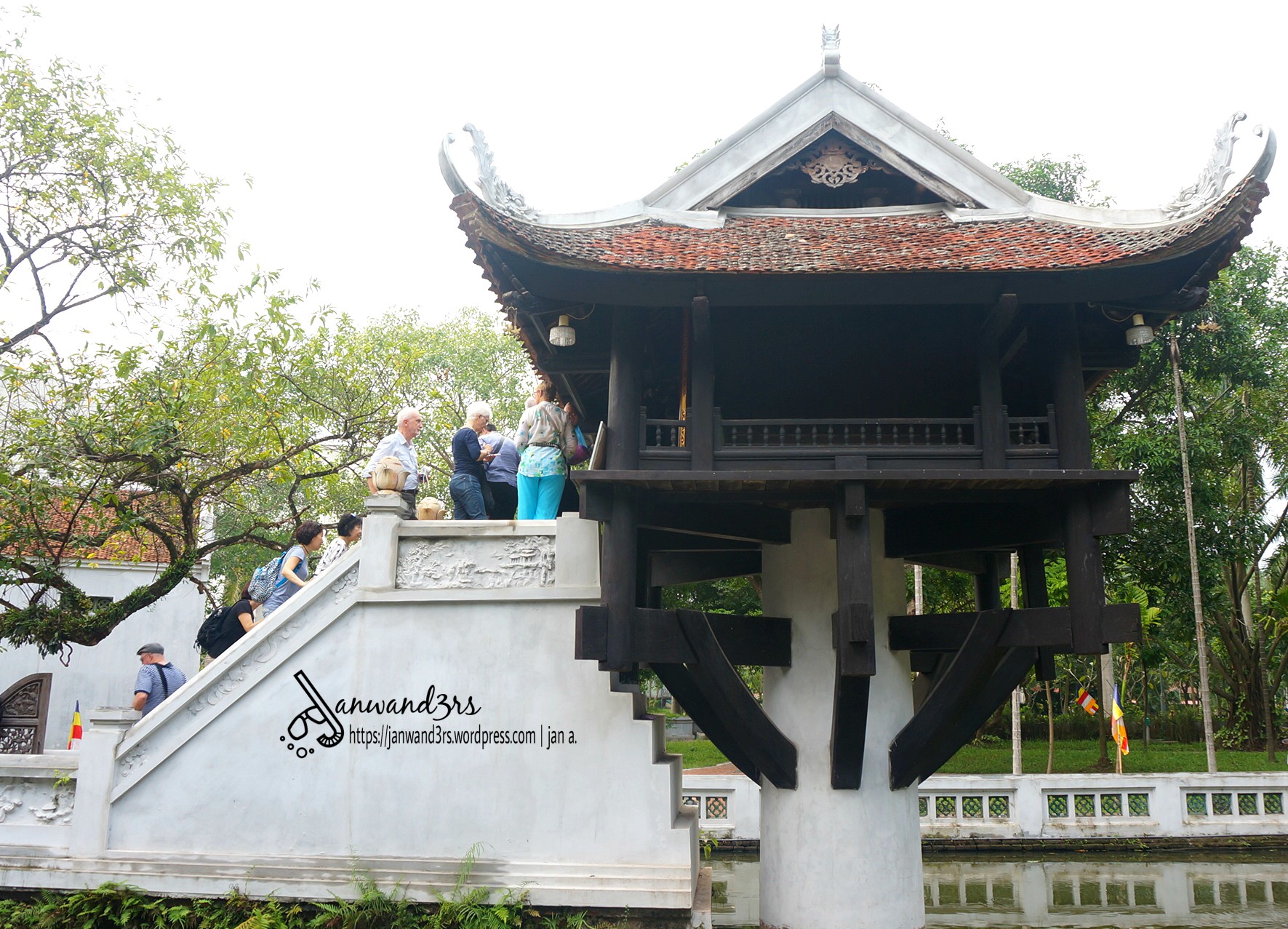
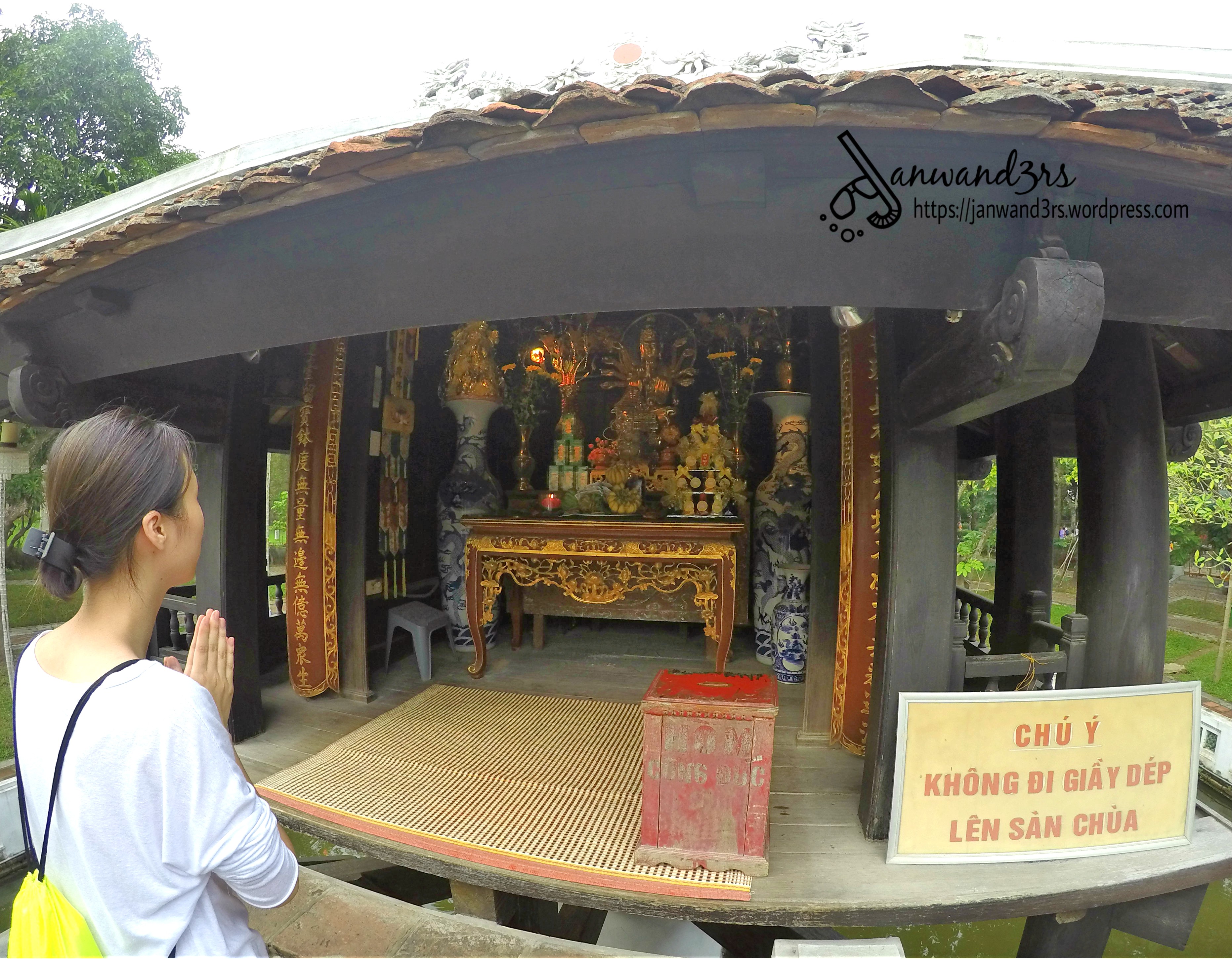
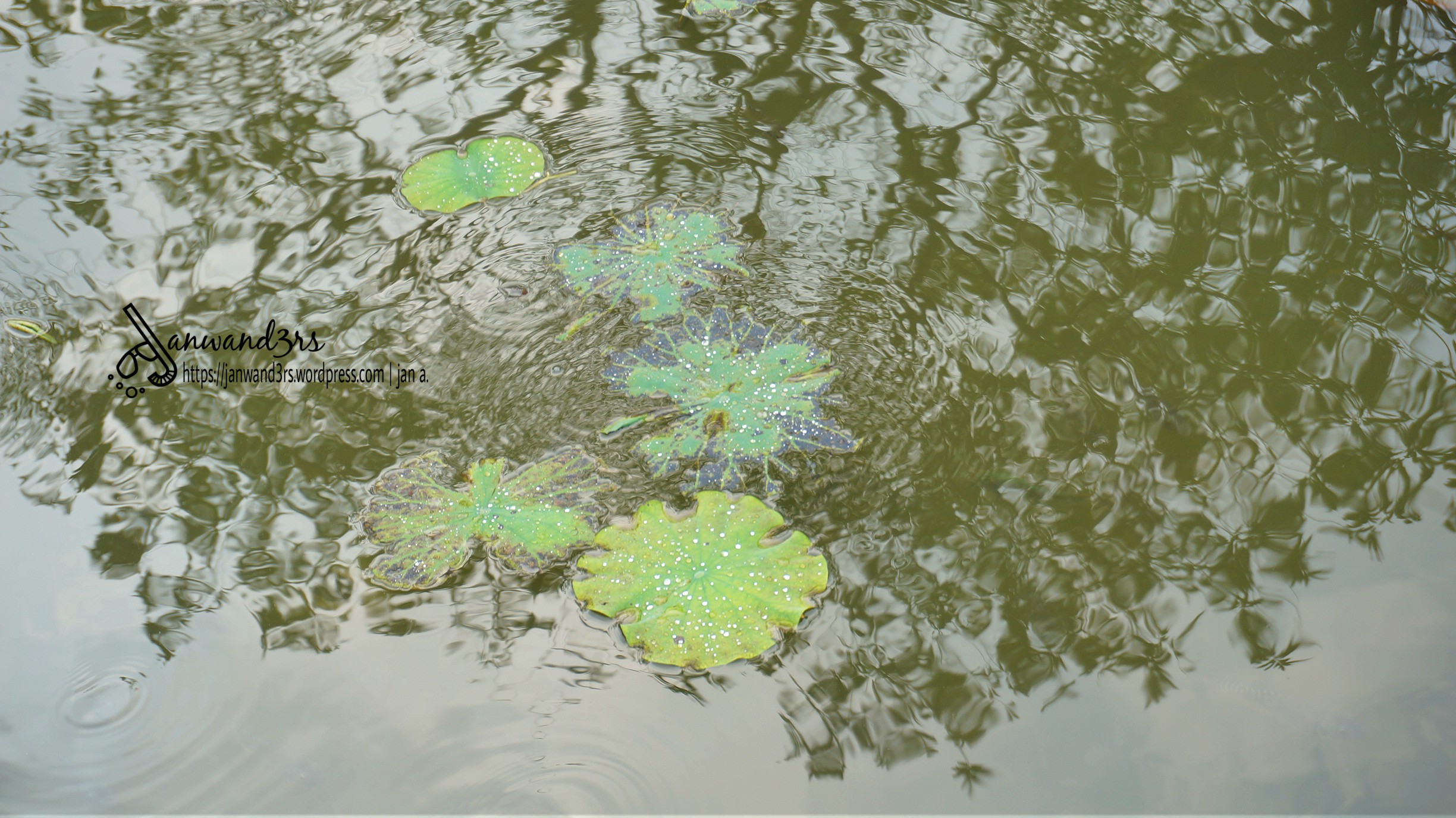
Considered one of Vietnam’s most iconic temples, One Pillar Pagoda in Hanoi is a small historic Buddhist temple which rises from one pillar; hence the name. It reportedly represents a lotus flower sprouting out of the water.
You have to fall in line to get to the top where the small temple is located. A small Buddha can be found there. Around the temple are various stores selling food and refreshments.


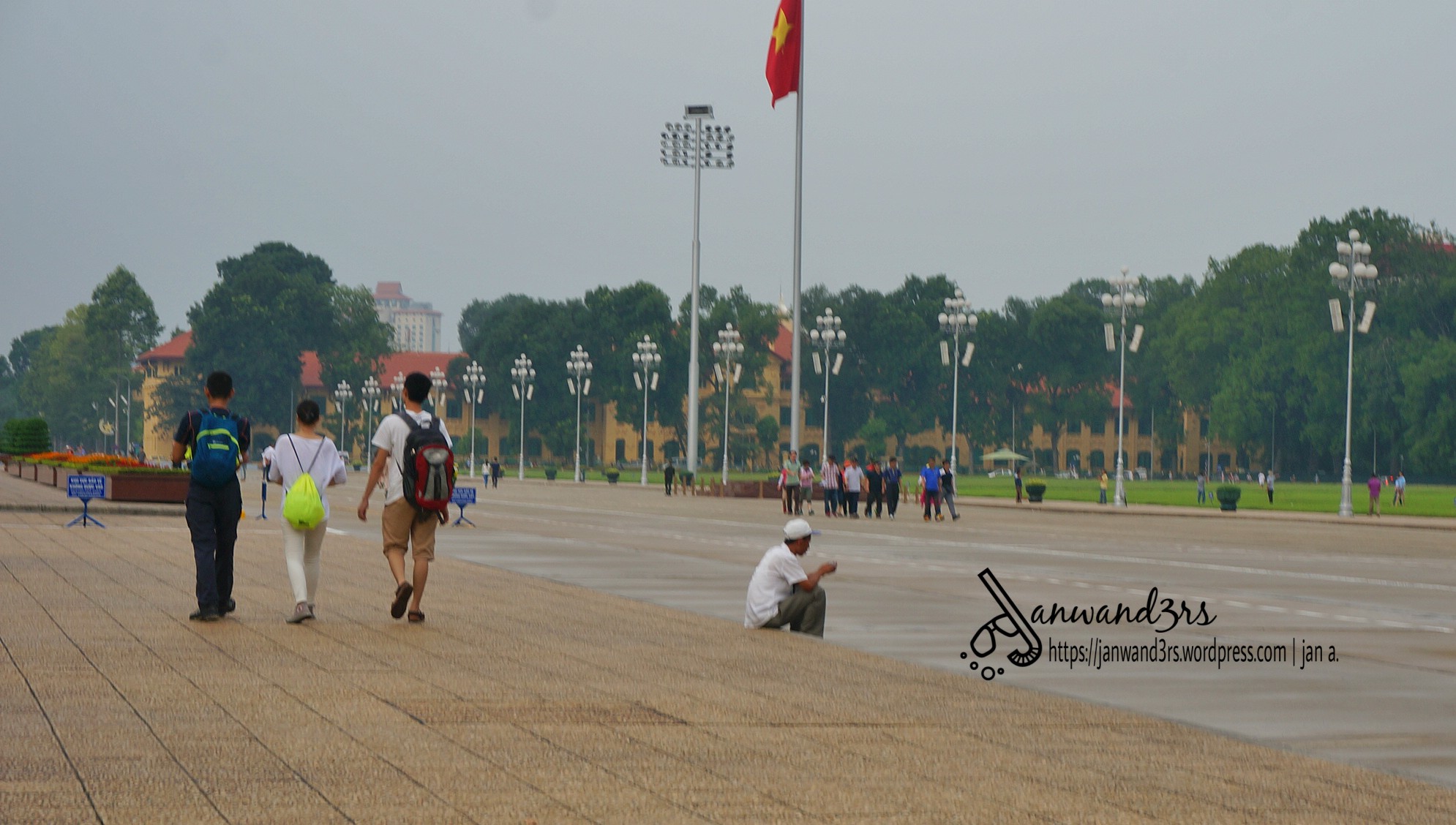
Ho Chi Minh Mausoleum
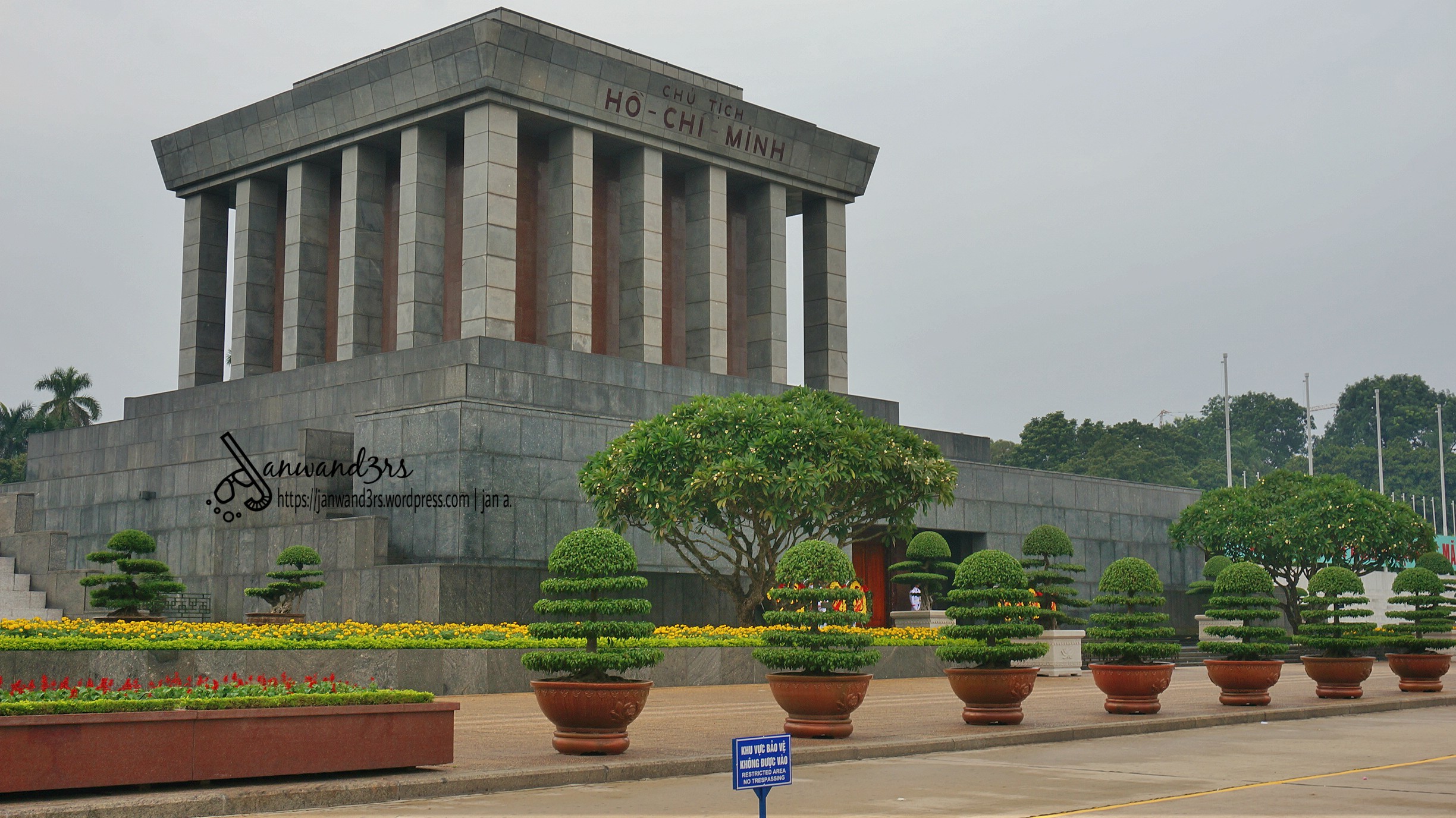
This is where you’ll see the embalmed, preserved body of Ho Chi Minh. Unfortunately, we weren’t able to see it because it’s only open to the public from 9am to 11am. The huge structure is flanked by scary-looking guards.
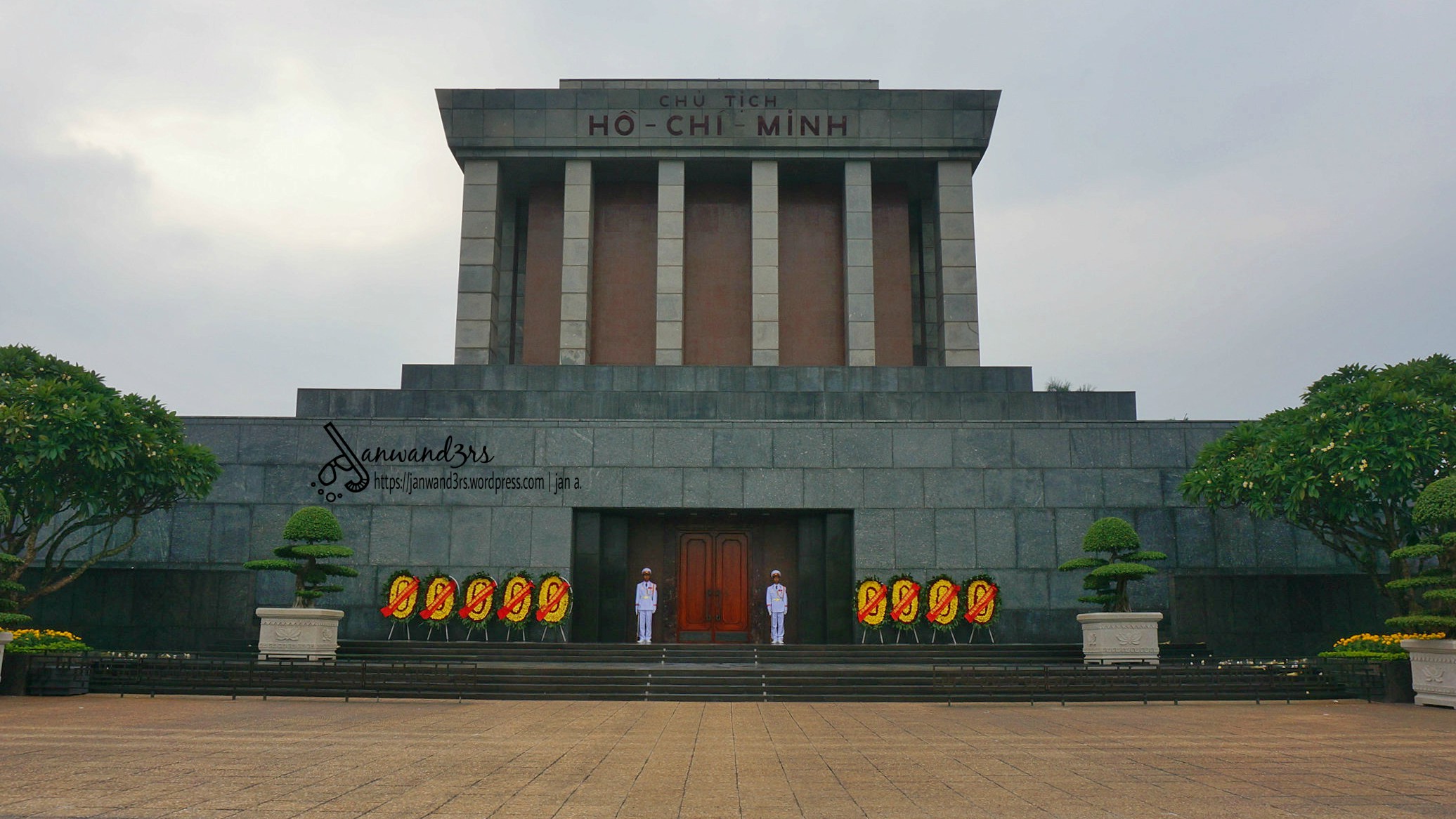
Several feet from them is a line which tourists should not cross, unless you want to be shouted at by the fierce guards, which is what happened to my friend Dee. 😀
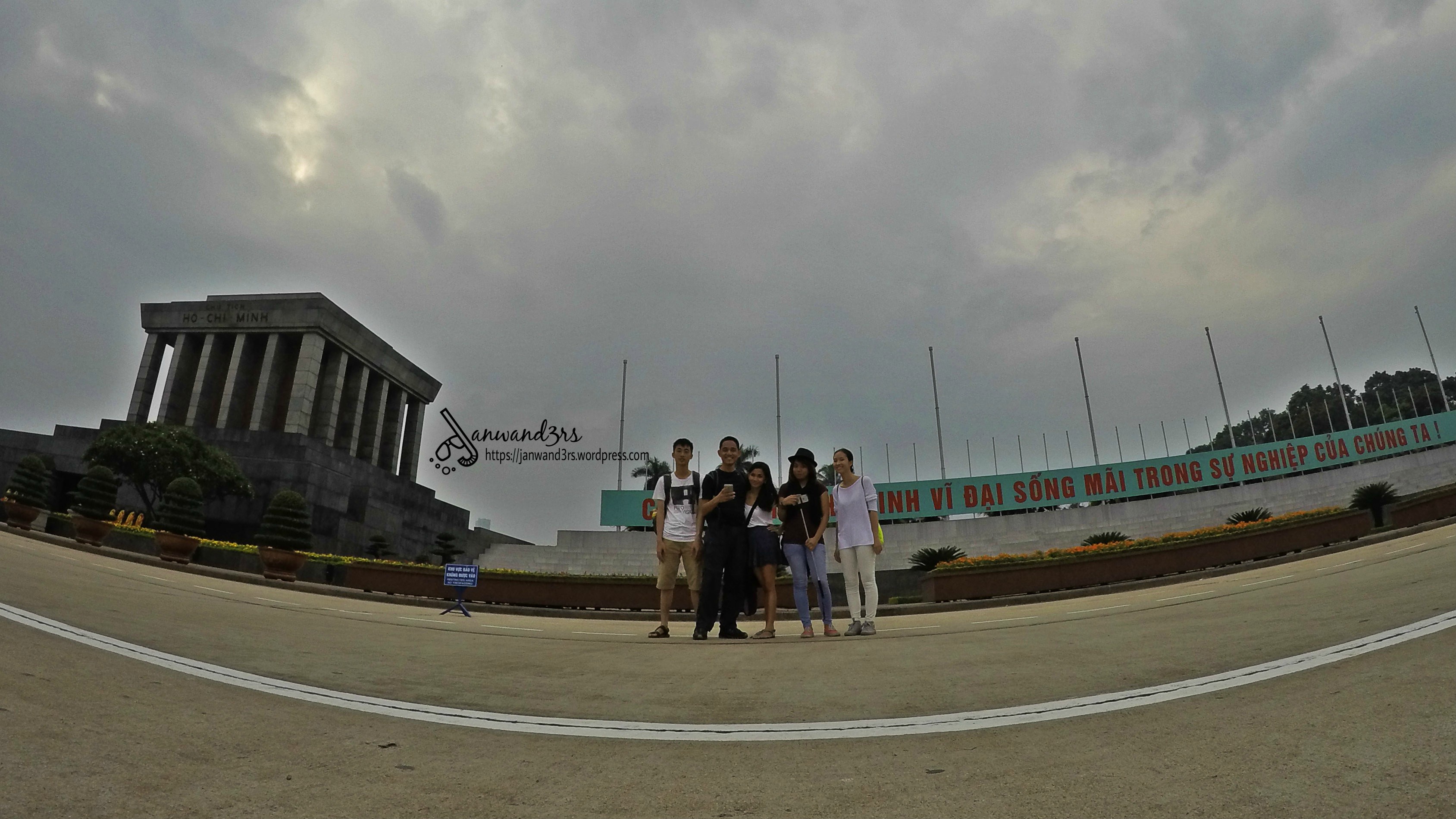
The mausoleum is located at Ba Dinh Square, which is a huge open ground which beautifully reminds you that you are indeed in a different country. The flowers there are a pretty sight too.


Hoa Lo Prison Museum
Entrance fee: 20,000 VND
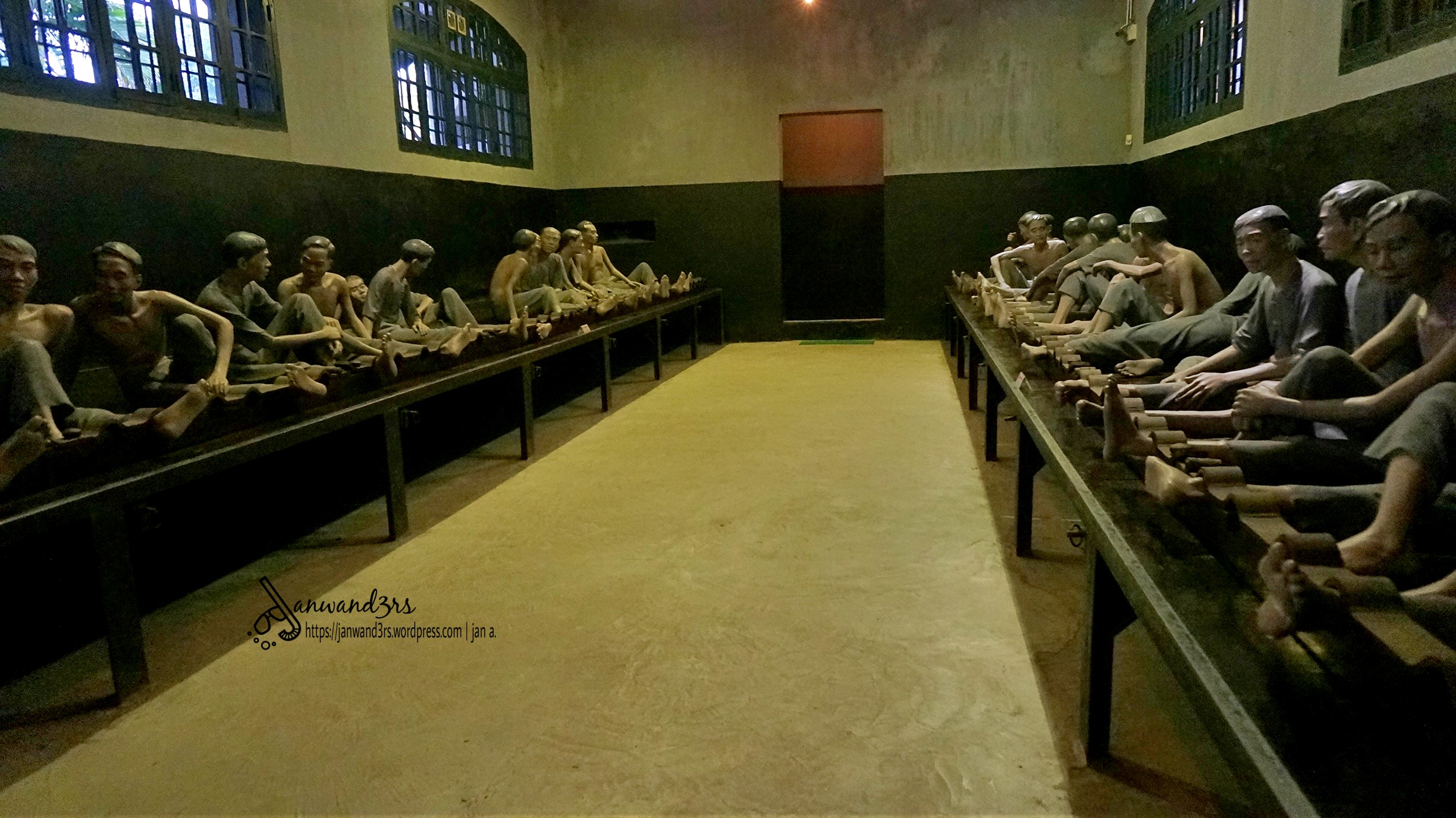
This is where political prisoners and prisoners of war were detained during the Vietnam War. Though I’m not fond of museums, a visit to this Hanoi attraction was eye-opening for me, as it’s where I realized that the Filipinos have a lot in common with the Vietnamese, at least in this regard.
The scenes in the prison museum which depict notable events and prominent figures in Vietnam’s history were oddly familiar, as the tales of oppression from Western conquerors mirror that of the Philippines.’
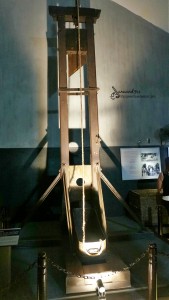
Seeing the models of the frail prisoners in the dark, gloomy cells was somehow spine-tingling, along with the various instruments of torture used against such people. It was also kind of sad to read the historical accounts and learn about the sufferings of the people, even if they were virtually strangers to me.
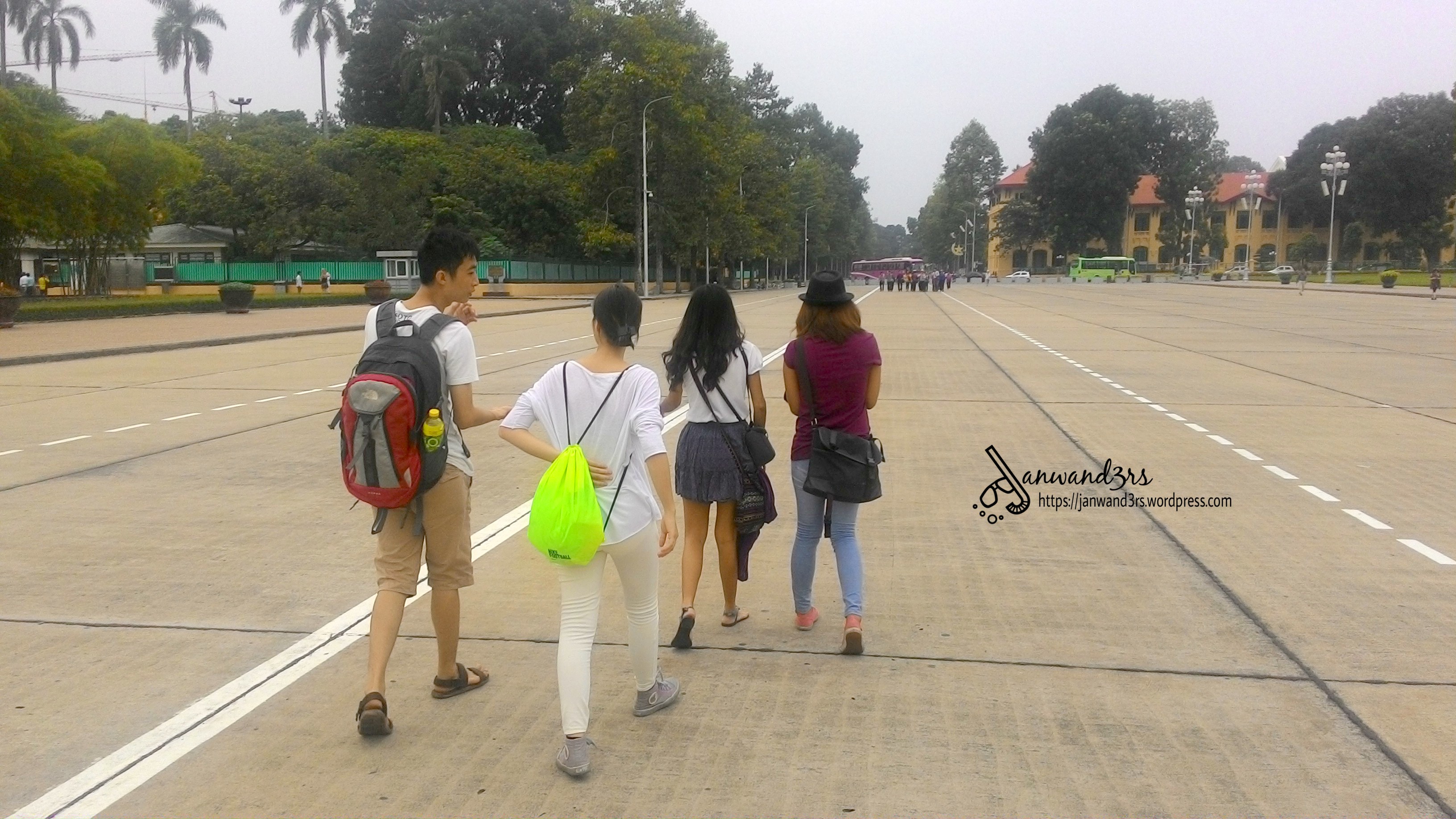
After that eye-opening stop, we called it a day, but our tour guides went back to the hotel lobby with us, where we got to exchange email addresses and add each other on Facebook. 😀 Lien even generously made a list of must-try delicacies in Hanoi for us, which we actually followed.
As a simple token of gratitude for their hospitality, we gave our new friends a pack of dried mangoes each from the Philippines. 😀
Side note:
During the walking tour, our tour guides took us to a cheap, local eatery where we got to try the famous and delicious bun cha for lunch. Bun cha is a Vietnamese dish which is said to have originated from Hanoi.
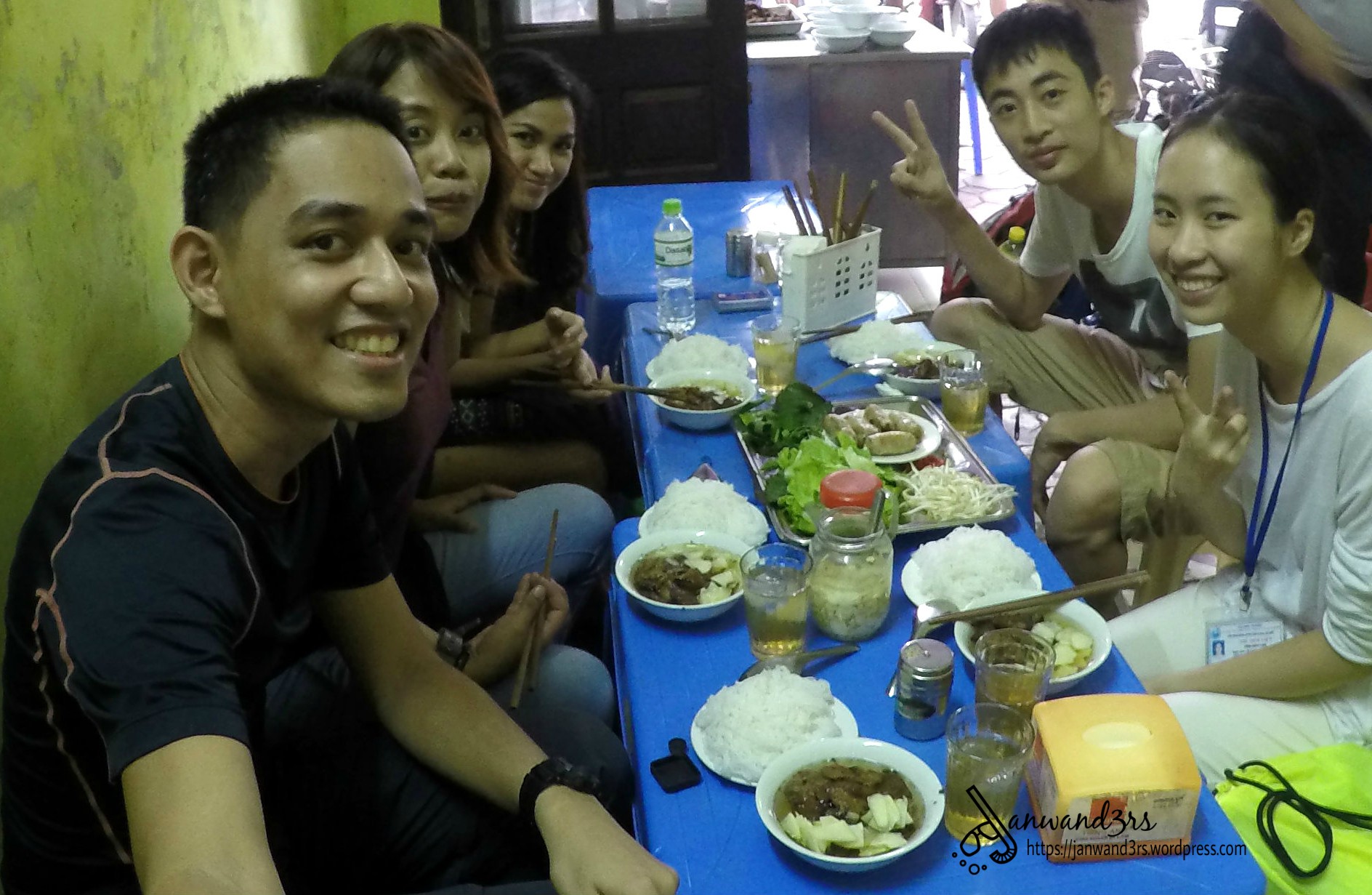
It consists of white rice noodle, which you combine with grilled pork, spring rolls, and various herbs. You can opt for a slightly sweet or spicy sauce. I especially loved the vinegar sauce with garlic.
Our bun cha only cost 35,000 VND, though our guides said that we could’ve had it even cheaper in other stores. Nevertheless, we were very satisfied because the serving was huge; in fact, I didn’t get to finish all of it 😀
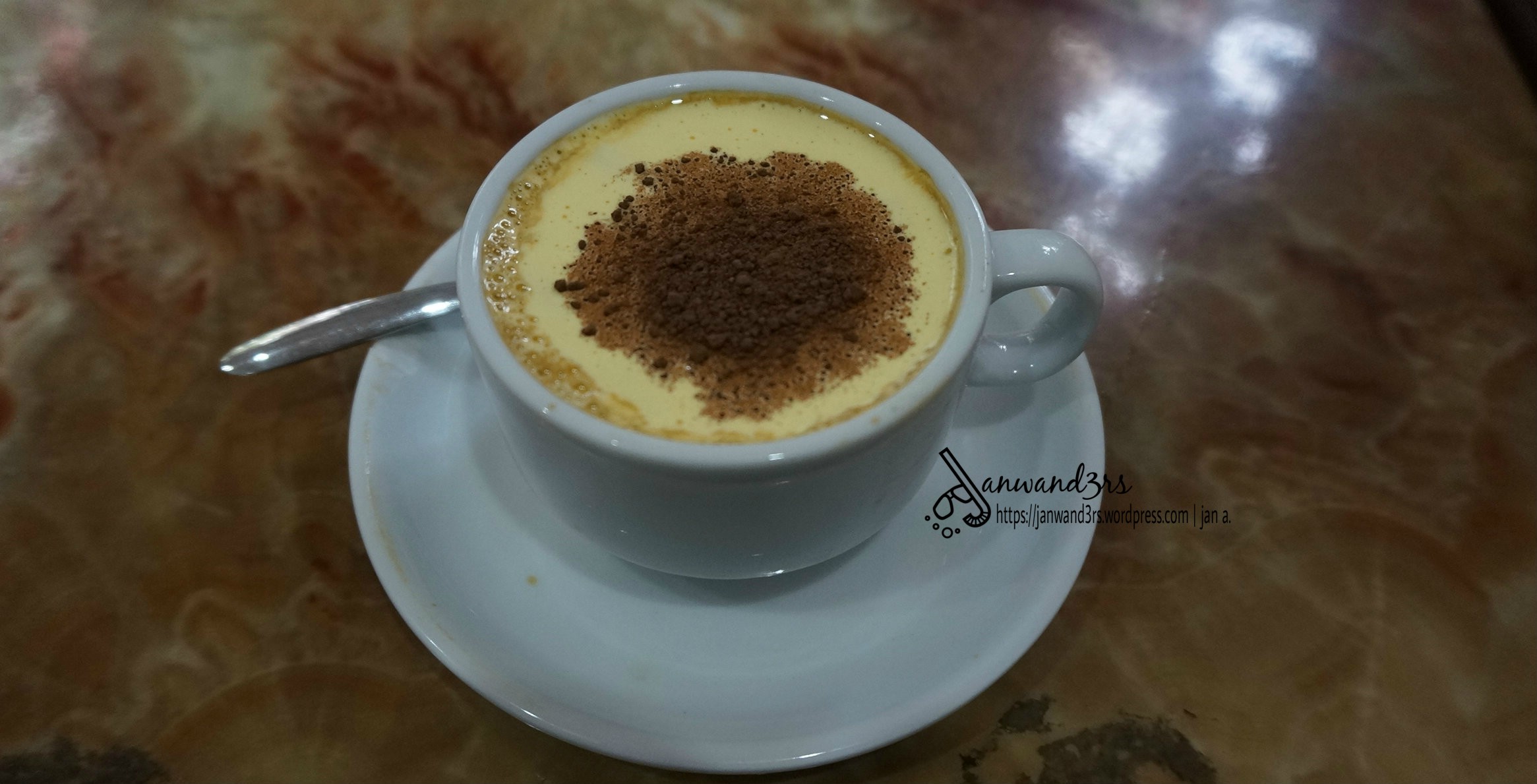
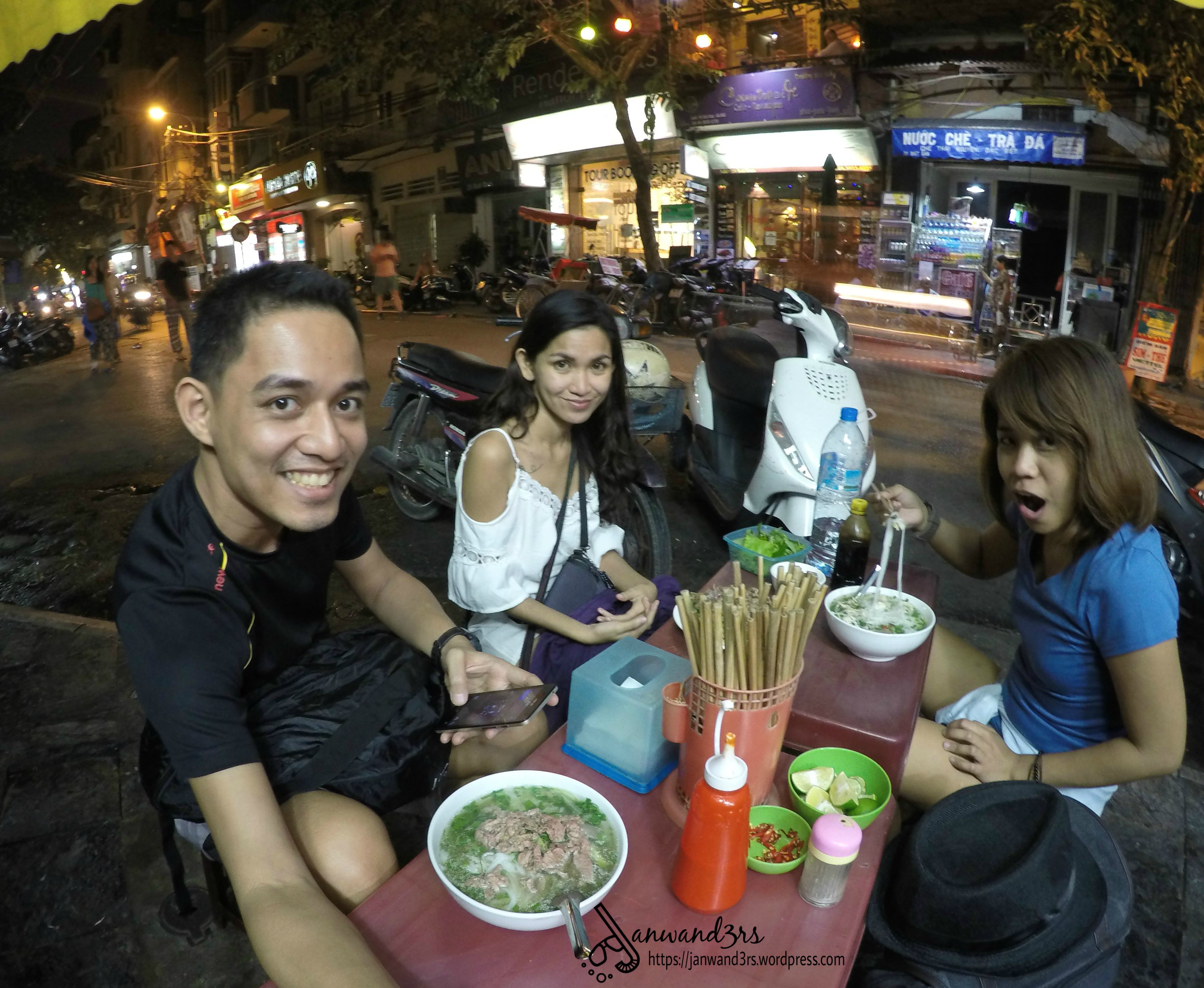
Other must-try Hanoi food: the different kinds of pho (noodles) and the irresistible egg coffee.
Travel Date: November 2015
**Next Post: Halong Bay day tour + Thien Cung Cave


 Wanderworld
Leave a comment